
If you have any comments or suggestions about the Guide, or if you would like to initiate your return process, please contact us by email at info@the-return.co
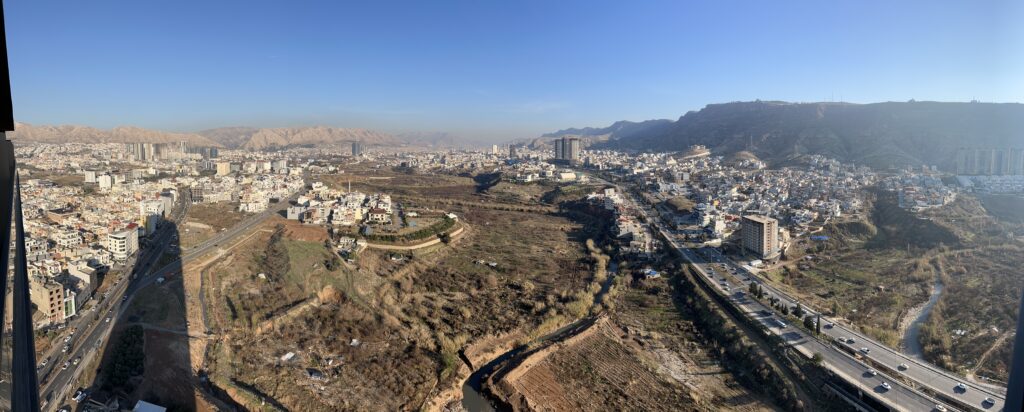
Returning to Iraq is not a single decision, but a process. It often unfolds over time through visits, conversations, reflection, and trial. This chapter is designed to help you think critically and honestly about what returning might look like for you, emotionally, practically, and legally, before you take the next steps.
1. Assessing your decision to return
Returning to your homeland after years, or even a lifetime, abroad is a profound and deeply personal decision. It is not always a straightforward or permanent move, nor should it be seen as a one-way journey. For many who were born or raised in the diaspora, their strongest material and practical ties, such as education, employment, property, and social systems, are firmly rooted in the countries where they grew up. Reconnecting with a homeland may bring emotional fulfillment, but it often involves navigating between two worlds, with the possibility of moving back and forth before settling permanently in one.
Relocating to Iraq also means adapting to a different rhythm of life. Cultural norms, personal freedoms, and broader societal conservatism may differ greatly from what one is used to in Western societies. These cultural shifts can be challenging, especially for those who have internalized more liberal or individualistic values. While Iraq’s political and security situation has seen considerable improvement in recent years, occasional instability and uncertainty remain part of the landscape, and this must be factored into any decision.
The return can take many forms: it might be temporary, exploratory, permanent, or even a phase of oscillation between two homes. This flexibility is essential, as each person’s path will depend on factors like financial resources, sources of income, family composition, the willingness of immediate and extended family members to return, and the feasibility of rebuilding a life in a context that is both familiar and foreign. A thoughtful, realistic assessment of these variables is necessary to lay the groundwork for a stable and satisfying return.
Ultimately, the decision to return or to remain abroad involves trade-offs. Staying in the diaspora may mean sacrificing part of one’s identity, language, and connection to ancestral lands. Returning to the homeland, on the other hand, can mean sacrificing certain personal freedoms, career opportunities, or aspects of Western living. These are not simple losses, they are exchanges. What we gain may be equally meaningful, though not identical. To return is also to place a bet on the future, not only for oneself but for the generations to come. There is no universally right answer; only a set of priorities to weigh, and a personal balance to be found.
2. Visiting Iraq once or more (before returning)
Before making the significant decision to return and live in Iraq, visiting the country, ideally multiple times, is a crucial step. Experiencing the homeland firsthand allows individuals to gain a realistic understanding of how the country functions today, how people live, what services and opportunities are available, and how cultural life unfolds on the ground. This process is not only informative but also helps ease the adjustment to a social and cultural environment that can feel very different from life in the diaspora.
There are different types of returnees. Some individuals emigrated from Iraq or the broader Middle East as adults or teenagers, often retaining fluency in local languages and a strong cultural familiarity. Others were born and raised entirely in the diaspora, sometimes with little or no direct exposure to Iraqi life. In both cases, however, visiting the country before considering a permanent move is essential to reconnect with the homeland in its current state, not just as it lives in memory or family stories. For those unfamiliar with Iraq’s day-to-day realities, visiting allows for a grounded and informed perspective on the transition they may face.
For younger members of the diaspora, organized cultural and heritage trips, sometimes referred to as “birthright trips”, are an excellent entry point. One of the first and most prominent of these is Gishru, founded in 2012, which brings young Assyrians to Iraq each year to celebrate the Assyrian New Year on April 1st. In recent years, similar initiatives have emerged across different communities, reflecting growing interest among diaspora youth in reconnecting with their ancestral homeland. Some of these trips focus on specific cities or regions, while others are broader in scope; some are age-restricted while others are open to a wider range. These group trips are especially valuable for youth who cannot travel with family members, offering a safe and structured way to explore Iraq for the first time.
To deepen this experience, it is highly recommended to return for additional visits, perhaps at different times of year, with smaller groups, or along different routes. Each trip reveals new layers of the country’s social and cultural complexity, and helps individuals better understand the diversity of lifestyles, values, and challenges found within Iraqi society. The more one engages with life on the ground, the easier it becomes to realistically evaluate and prepare for a possible return. Visiting Iraq, again and again if possible, is not just a symbolic gesture. It is a practical step toward building a life that is rooted both in heritage and in present-day reality.
3. Managing Expectations: What Returning Really Feels Like
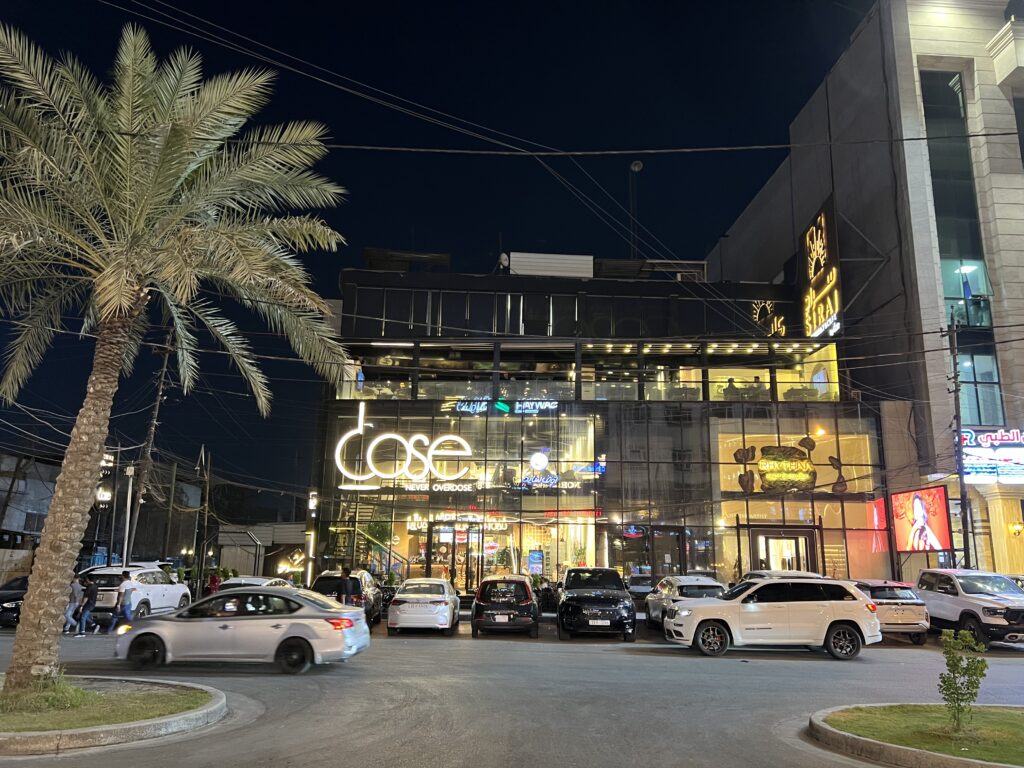
Returning to Iraq is rarely a single, linear transition. For most returnees, adaptation unfolds gradually and unevenly, often through a process of movement, testing, and recalibration. Some people return for a few months, leave again, and then come back for a longer period. Others may live in a nearby country, such as in the region or the Gulf, while maintaining frequent visits to Iraq. For some, full return takes years. For others, one visit is enough to feel at home. None of these paths are wrong; return is not a fixed formula, but a personal rhythm.
It is important to understand that adaptation is not linear. Feelings of confidence, frustration, belonging, and doubt often coexist. One may feel deeply connected during communal gatherings, family visits, religious feasts, or national and cultural events, moments when the sense of belonging feels immediate and natural, as if one never left. At the same time, daily realities can feel unfamiliar or challenging, especially for those coming from highly structured Western systems.
Many returnees experience frustration with differences in routines and expectations. Concepts such as punctuality, planning, and service delivery may not align with what one is used to abroad. Processes can be flexible, improvised, or dependent on personal interaction. Services may be agreed upon easily, but the final outcome may not always match expectations. This can feel disorienting at first, particularly for those accustomed to standardized systems and clear procedures.
Official paperwork and administrative processes often take time. Procedures are not always clearly documented, and different offices or individuals may provide conflicting information. What is described as “easy” may still involve delays, repeated visits, or informal guidance. Patience and persistence are essential, and it is common to learn by doing. Over time, many returnees find that communication, personal initiative, and flexibility help navigate these systems more effectively.
At the same time, this flexibility can be empowering. In Iraq, many obstacles can be resolved through conversation, explanation, and personal engagement. While this can initially feel inefficient or uncertain, it also allows room for adaptation and problem-solving in ways that are not always possible in rigid systems.
Ultimately, returning involves holding two realities at once. Life may feel more complicated in some respects, and simpler in others. You may feel out of place one day and deeply rooted the next. These contradictions are not signs of failure, but part of the return experience itself. Managing expectations, allowing time, and accepting that adjustment comes in waves can make the journey more sustainable and meaningful.
4. Iraqi Citizenship for Returnees & the Diaspora
One of the most important aspects of preparation is understanding your legal status in Iraq. This includes citizenship, residency, and documentation, all of which shape your ability to live, work, own property, and access services.
For many returnees, Iraqi citizenship is acquired or restored through descent, particularly if one parent is Iraqi. Others may not yet hold Iraqi documentation but are still legally eligible under Iraqi law. Because these processes can be complex, time-consuming, and highly individualized, it is essential to understand your options early and begin preparing documentation well in advance.
This section is intended for Iraqis and descendants of Iraqis who were born abroad, lack Iraqi documentation, or are returning to Iraq after many years overseas. While each case is different, the principles and steps below reflect both Iraqi law and real-life practice.
1. Who Is Entitled to Iraqi Citizenship?
Legal Basis of Iraqi Citizenship
Iraqi nationality is primarily acquired through birth or descent, making it accessible to a wide range of individuals with familial ties to Iraq. Under Iraq’s Nationality Law No. 26 of 2006, any person born to an Iraqi father or Iraqi mother is legally considered an Iraqi citizen, regardless of the country of birth.
This principle of jus sanguinis (right of blood) allows Iraqi nationality to be passed on to children born abroad and provides a clear legal pathway for members of the Iraqi diaspora and their descendants to maintain or reclaim their citizenship.
While the law also permits Iraqi nationality through naturalization or marriage to an Iraqi citizen, these pathways are rarely used in practice. Naturalization requires long-term legal residency, knowledge of Arabic, and proof of integration, and approvals remain uncommon. Similarly, although foreign spouses may apply after several years of marriage and residency in Iraq, such cases are infrequently completed.
For this reason, descent through an Iraqi parent remains the most straightforward, recognized, and successful route to Iraqi citizenship.
You are considered Iraqi by law if:
- Your father OR mother is Iraqi,
- Regardless of where you were born,
- Even if you currently hold another nationality.
This means:
- Children born abroad to Iraqi parents do not lose their right to Iraqi citizenship.
- Iraqi citizenship can be claimed even decades later, as long as descent can be proven.
⚠️ In practice, Iraqi authorities distinguish between having the right to citizenship and being registered. Most returnees face issues because they were never registered, not because they are ineligible.
2. Paths to Iraqi Citizenship (Overview)
Most Common & Practical
- By descent (Iraqi father or mother)
This is the main focus of this guide.
Less Common in Practice
- Naturalization (long-term residency, Arabic knowledge, approvals)
- Marriage to an Iraqi citizen (possible after years of marriage and residency)
While these options exist in law, they are rarely used compared to descent-based cases.
Special Family & Parentage Cases
- Both parents are Iraqi:
Eligible without restriction. - Iraqi father + foreign mother (known or unknown):
Eligible. Follow standard process. - Iraqi mother + foreign father (known):
Eligible in law, but applications may be subject to additional administrative review. - Iraqi mother + unknown or stateless father:
Eligible under Article 4, often with residency and age-related conditions.
Outcomes may vary depending on documentation and timing.
3. Important Note for Those Born Abroad
Important: If you were born outside Iraq, the citizenship process must usually begin in the country where you were born, through an Iraqi embassy or consulate, before it can be completed inside Iraq.
This is because Iraqi authorities must first issue you an Iraqi Birth Certificate (بيان ولادة), which formally registers your birth to Iraqi parents.
Without this step, you cannot:
- Register in the Population Registry (نفوس)
- Obtain a Unified National ID
- Apply for an Iraqi passport
4. General Process for Diaspora Applicants
Step 1: Contact an Iraqi Embassy or Consulate
- Book an appointment at the Iraqi embassy/consulate closest to you.
- In most cases, personal presence is required (though exceptions sometimes occur).
Step 2: Submit an application to Register Your Birth
You will be asked to fill out a form declaring:
- Your personal details
- Your Iraqi parent(s)
- Your place of birth
If key family documents (such as nationality certificates or ID cards) are missing, Iraqi parents may be asked to complete a Life Certificate through the embassy to confirm identity and status, allowing records to be retrieved inside Iraq.
If parents are deceased, procedures vary and applicants should consult the embassy for case-specific guidance and a death certificate might be needed to proceed.
5. Commonly Requested Documents
Requirements may vary, but the following documents are commonly requested.
Not all documents are mandatory, any official document is a plus.
Applicant Documents
- Foreign birth certificate
- Passport (current nationality)
- Passport-size photos
Iraqi Family Documents (from parents or siblings)
- Iraqi nationality certificate or Unified ID
- Old Iraqi ID cards or population registry booklets (دفتر النفوس)
- Iraqi passport (if available)
- Parents’ marriage certificate (Iraqi or foreign)
Military service documents, ration cards, or old papers are not required, but can strengthen the file if available.
6. Issuance of an Iraqi Birth Certificate (بيان ولادة)
Once the embassy accepts the file:
- An Iraqi birth certificate is issued
- This does not automatically mean you are registered in Iraq yet
- The certificate must be sent and recorded inside Iraq
This step is crucial, it legally recognizes you as born to Iraqi parents.
If required, applicants are asked to issue a limited power of attorney at the embassy. This authorizes a trusted representative inside Iraq to submit documents, follow up with authorities, and complete parts of the process on the applicant’s behalf.
7. Registration Inside Iraq (نفوس)
After receiving the Iraqi birth certificate, the next steps usually happen inside Iraq:
Ask your embassy if you can do the next steps without going to Iraq.
- Registration with the Population Registry (دائرة النفوس)
- Verification of the parents’ Iraqi citizenship status
- Entry into the national records system
⚠This stage can take time and may require:
- Following up with multiple offices
- Traveling to the city where your family was originally registered
- Patience and persistence
8. Citizenship Confirmation & Witnesses
In some cases, authorities may require:
- Confirmation from the Ministry of Interior
- Two witnesses who know your family and can vouch for your identity
Once cleared:
- You are formally recognized as an Iraqi citizen
- You can proceed to obtain Iraqi identification
9. Unified National ID Card
After citizenship recognition:
- You can apply for the Unified National ID Card
- This replaces older ID cards and citizenship certificates
- It includes biometric data and is essential for daily life in Iraq
⚠️ Name discrepancies (Latin vs Arabic spelling, surnames) are common and may require clarification or intervention.
10. Acknowledgment of Parentage and Name Discrepancies
A frequent challenge for diaspora applicants involves name changes, especially when Iraqi parents’ names differ between Iraqi records and foreign civil documents.
For example:
- An Iraqi mother may be registered in Iraq under her maiden name
- After marriage abroad, she adopts a new surname
- A child’s foreign birth certificate reflects only the married name
In such cases, Iraqi authorities may require an Acknowledgment of Parentage (sometimes referred to as an AOP in U.S. contexts) or an equivalent legal statement. This document formally confirms that the parent listed under different names before and after marriage is the same individual.
These acknowledgments:
- Establish lineage across different naming systems
- Clarify discrepancies caused by marriage, transliteration, or foreign registration practices
- Allow Iraqi authorities to accept foreign documents without rejecting the citizenship claim
This requirement is administrative, not exceptional, and reflects differences between Iraqi and foreign civil registration systems.
11. Residency Options for Those Without Iraqi Documentation
Some returnees may be eligible for Iraqi citizenship but arrive without any Iraqi documentation or before their citizenship process is completed.
In such cases, temporary residency can serve as a legal bridge.
Residency may be granted through:
- Family sponsorship
- Employment or business activity
- Humanitarian or special circumstances
Residency allows individuals to:
- Legally reside in Iraq
- Rent housing
- Move freely while preparing citizenship files
However, residency:
- Is temporary and renewable
- Does not grant political rights
- Does not replace citizenship
Many returnees live in Iraq under residency status while completing documentation and registration procedures
12. Optional but Useful Documents
Once you have the Unified ID:
- Iraqi passport (optional, but useful for regional travel)
- Address / Information Card (بطاقة سكن / كارتی زانياری)
- Voter card (for elections)
Ration card (optional, case-dependent)
13. Case Example
A returnee born abroad to Iraqi parents:
- Was never registered at birth
- Held only foreign documents
- First obtained an Iraqi birth certificate via an embassy
- Registered in the Population Registry inside Iraq
- Confirmed citizenship through the Ministry of Interior procedures
- Faced name and documentation inconsistencies
- Eventually received a Unified National ID and a passport
This process took time, travel, and persistence, but was successful, even decades after birth.
14. Final Notes & Disclaimer
- Iraqi citizenship by descent is a legal right, but procedures are often slow.
- Requirements and interpretations may differ between offices and regions.
- Each case is unique; patience and flexibility are essential.
- Having local guidance or organizational support can significantly ease the process.
This guide is intended to inform and prepare returnees, not replace official legal advice.
5. Financial Assessment
Assessing your financial situation is one of the most important steps before deciding to relocate to Iraq. While some returnees rely on passive income or savings that allow them flexibility between countries, most will need to maintain or secure a stable source of income, either remotely or locally (see Chapter 4 for employment and income options).
In general, the cost of living in Iraq is significantly lower than in most Western countries, particularly when it comes to housing, food, and daily expenses.
1. Housing and Utilities
In areas such as Ankawa, renting a two- to five-bedroom house typically costs between USD 400 and 900 per month. Rental prices in Erbil are similar, and in other cities or villages, housing can be considerably cheaper, sometimes ranging between USD 100 and 300 per month.
Electricity costs vary by region. In many parts of Iraq, public electricity is available only for limited hours each day at a low cost, while private generators are used to cover remaining hours, typically costing between USD 30 and 150 per month, depending on consumption.
In the Kurdistan Region, a transition toward 24-hour public electricity is underway through the Runaki project, which introduces a consumption-based billing system. Under this model, households pay according to actual usage rather than fixed amperage. Monthly costs vary depending on household size and consumption, but for a small household, electricity expenses commonly average around USD 80 per month. This system provides uninterrupted electricity and reduces reliance on private generators.
Water and gas costs are minimal, usually USD 5–10 per month each. Fiber-optic internet is widely available in urban areas and costs around USD 20 per month for speeds of approximately 50 Mbps.
2. Food, Transportation, and Daily Life
Food is generally affordable. Fresh produce such as tomatoes or cucumbers costs less than USD 1 per kilogram, meat ranges from USD 8 to 15, and bottled water is inexpensive. An average individual may spend around USD 100 per month on groceries.
Eating out is also accessible: street food such as falafel or shawarma costs about USD 1, restaurant meals range from USD 5 to 15, and social outings at cafés or clubs typically cost USD 10 to 20. Taxi rides within cities usually range between USD 2 and 6, depending on distance.
Overall, daily living costs are manageable, but income stability remains essential.
3. Cash-Based Economy
Despite gradual modernization, Iraq remains largely cash-based. The country is still partially disconnected from the global financial system, and access to international banking services is limited. While electronic payments are increasing, especially in urban areas, cash remains the primary means of transaction.
ATMs exist but can be unreliable, and exchange rates offered on the street are often less favorable. Many returnees choose to arrive with sufficient cash to cover an extended period, sometimes up to a year, while identifying reliable ways to access funds locally. Chapter 4 provides a detailed overview of banking, money transfers, and financial resources.
6. Health Care and Social Security
The health sector in Iraq is divided between privately owned and government-operated hospitals and clinics. Government health institutions typically provide medical examinations and medicines only for the most common or urgent health issues, and at reduced prices. However, government clinics are generally not recommended and are rarely used by local residents.
Instead, residents usually rely on the widely available specialized private clinics, which offer up-to-date medical services and modern diagnostic tools.
Although several health insurance companies operate in Iraq, it is uncommon for people to use health insurance. This is largely because private clinics provide quality services at affordable rates. For example, the average cost of a doctor’s visit is less than $20.
Private pharmacies are common and usually within walking distance in most residential areas. They offer a wide variety of medicines, with prices varying by manufacturer.
Medicines from prominent European brands, as well as more affordable Turkish or locally made options, are readily available. Overall, medical costs are generally affordable, which further reduces the demand for health insurance.
Regarding social security, laws in both Iraq and the Kurdistan Region require employers to register their employees for the system. Once registered, the employer contributes a fixed rate to the government, while the employee contributes 5% of their monthly salary. Upon reaching retirement age, 63 for men and 58 for women, retirees receive monthly pension payments.
7. Learning about the local cultural background (Understanding Local Cultural Norms)
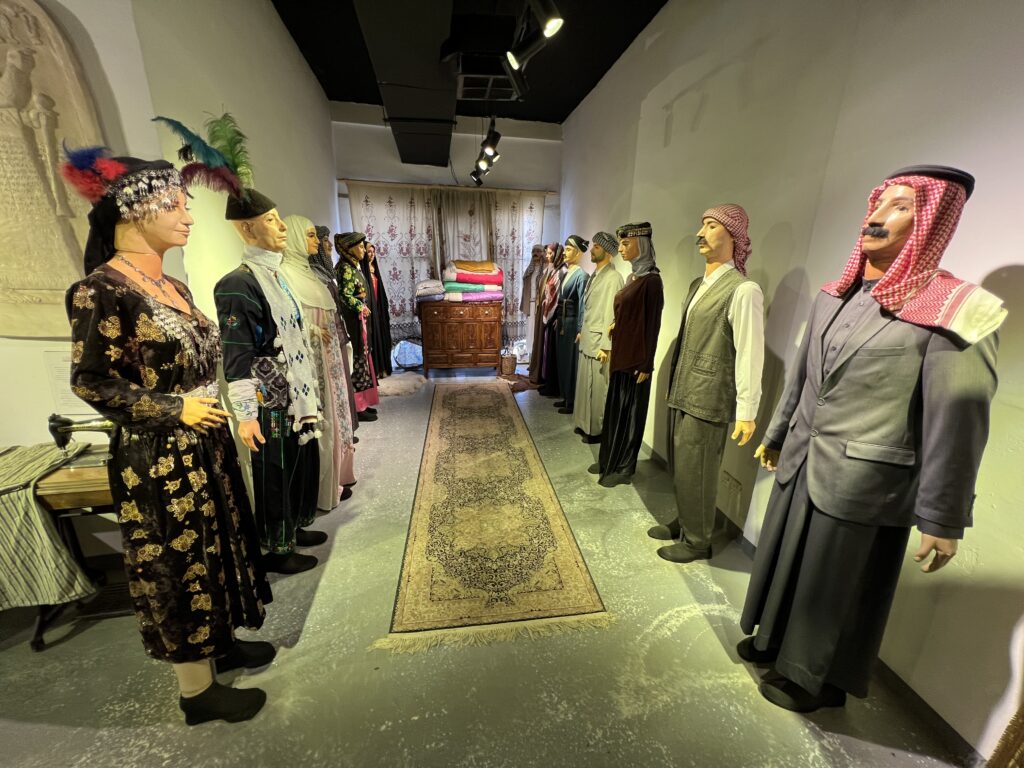
Cultural awareness plays a crucial role in successful reintegration. A helpful general guideline is to behave as you would in front of your grandparents: respectfully, modestly, and attentively.
Iraqi society places strong emphasis on manners and social etiquette. Common expectations include:
- greeting people properly when entering a space
- standing up to shake hands
- avoiding crossing legs in formal settings
- dressing modestly in official buildings, churches, and formal meetings
- offering food to those around you before eating
- politely refusing food once or twice before accepting, and continuing to offer food even after a guest declines
Certain behaviors are strongly discouraged. For men, inappropriate or sexualized language around women is unacceptable. For women, public use of foul or aggressive language is also viewed negatively.
Iraq is a highly politicized society with limited tolerance for public dissent. Criticizing the government openly, especially online or with people you do not know well, is not advisable. Political discussions should be approached cautiously and avoided with strangers such as taxi drivers or new acquaintances.
Understanding and respecting these norms does not require abandoning one’s identity, but it does require adaptation and awareness.
8. From the desire to return to an actual returning project
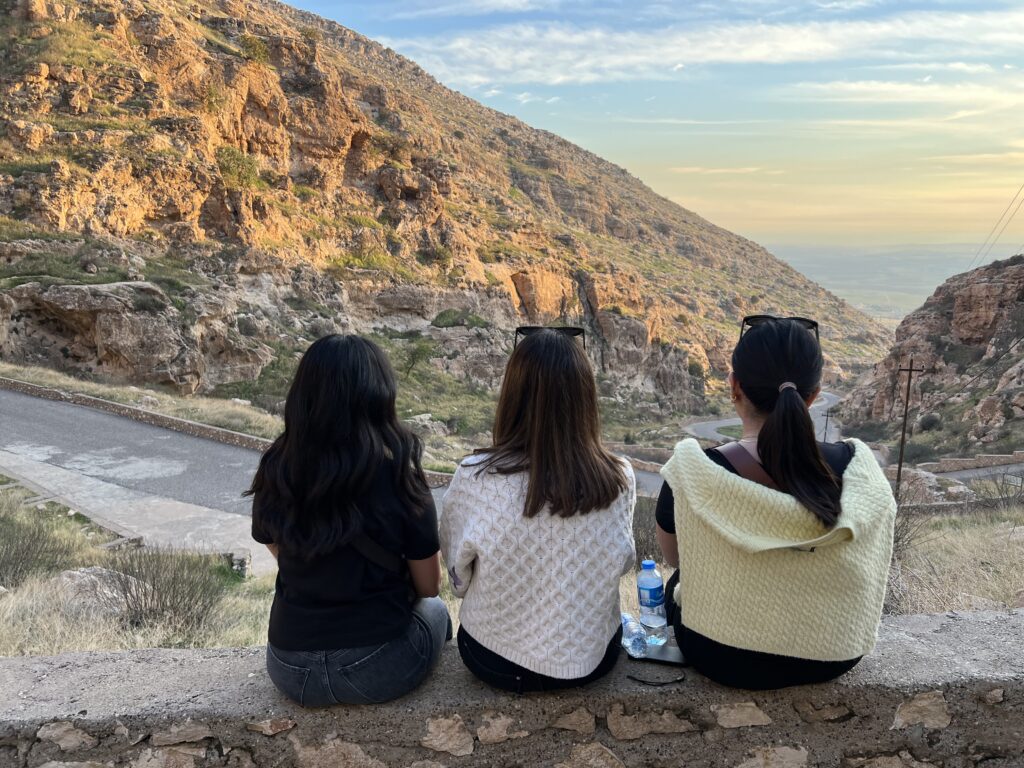
It is important to understand that returning to the homeland is not an easy decision. For most people, it happens gradually, beginning with visits that allow them to reconnect, explore possibilities, and reassess what life there might look like. In the field of social sciences, this process is often described as return mobility rather than return migration, because ties with the country of residence abroad almost always remain, whether through family, work, or identity. Returning is therefore not a single act but part of a continuous movement between places, shaped by practical realities.
There is no such thing as success or failure in returning; it is an experience that can last a few months, a few years, or an entire lifetime. The return can take many forms, such as visiting regularly, investing in local projects, living part-time, or settling permanently. Above all, one must understand that returning is itself a new act of migration. It means leaving behind certain people, habits, and comforts, and accepting the professional or personal impact that may follow. Yet it also offers deep fulfillment, especially the feeling of living on one’s ancestral land and among one’s own community. At the same time, expectations must remain grounded in reality. Our community is not the majority in this region; it exists within distinct spaces such as villages, neighborhoods, or towns, within a broader, complex geopolitical environment. The existence of Iraq’s autonomous Kurdistan Region, where much of our community resides, is part of that reality and cannot be overlooked.
The truth is always more nuanced, and realism is essential to avoid disappointment. Knowing what one gains also means recognizing what one gives up, both in the homeland and in the diaspora. Every choice brings gain and loss at once. Building a sustainable return will take many years and likely a new generation raised in Iraq to make it truly lasting. In the meantime, the journey will be filled with both challenges and moments of joy, a process as much about rediscovery as it is about renewal. The project of returning to Iraq is often driven by a deep emotional desire, yet it must always be balanced with immediate and practical realities. The most crucial factor is the means of livelihood, whether through passive income, property investments, or the need to seek employment locally. Sustaining life in Iraq often relies on a different kind of microeconomic system at the individual and family level. There is almost no access to bank credit, taxation remains limited, and family members tend to support one another far more closely than in most Western societies. This strong sense of solidarity helps explain why, despite higher levels of political and economic instability, the local population has developed remarkable resilience and an ability to adapt to shifting circumstances with strength and pragmatism.