
If you have any comments or suggestions about the Guide, or if you would like to initiate your return process, please contact us by email at info@the-return.co
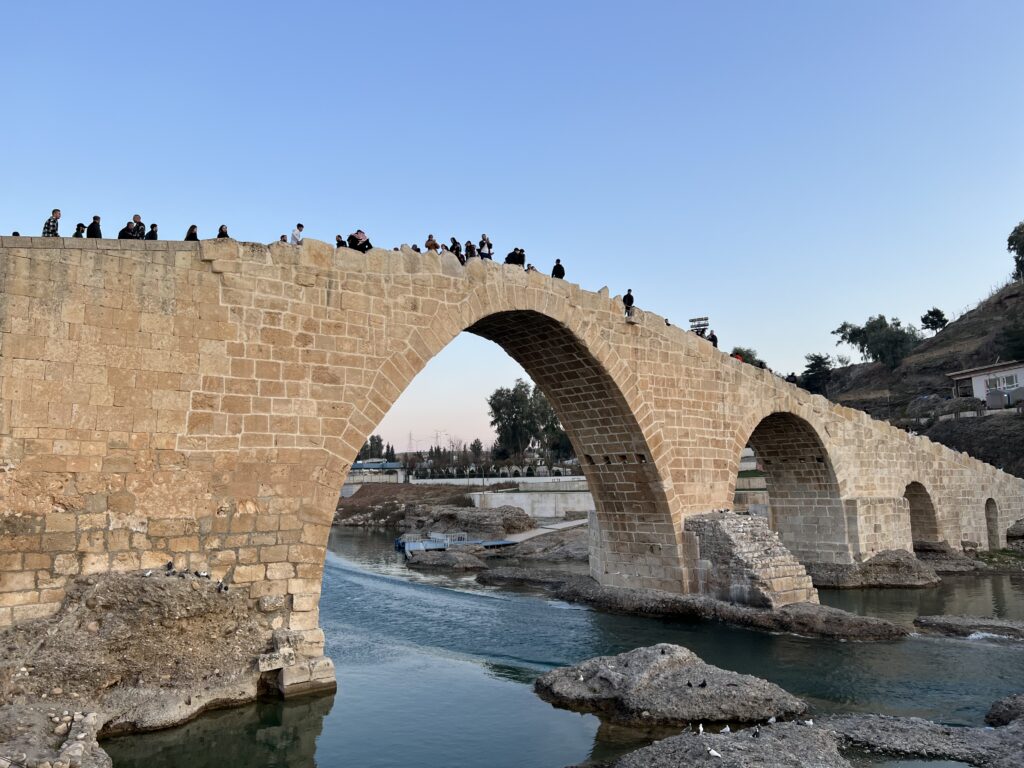
Living in Iraq today is a layered experience. It can be rewarding, affordable, socially rich, and deeply meaningful, but it also requires adaptability, patience, and realistic expectations. This chapter provides a practical overview of housing, work, services, daily life, and opportunities for connection, helping you build a stable and fulfilling life in Iraq.
1. Housing and Accommodation
1. Renting in Ankawa and Erbil (Detailed Overview)
Why Ankawa?
Ankawa, located on the outskirts of Erbil, is one of the most popular areas for returnees, particularly within the Assyrian–Chaldean–Syriac community. It offers a strong sense of familiarity, access to churches, schools, cafés, restaurants, and community institutions, while remaining closely connected to Erbil’s economic and administrative center.
For many returnees, Ankawa serves as a natural starting point before deciding whether to settle elsewhere in the city or region.
Rental Price Range (Indicative)
Rental prices in Ankawa and nearby areas vary widely depending on location, building quality, size, and whether the property is furnished. As a general reference:
- Overall range:
Rent can start at around USD 300 per month and reach USD 1,300 or more for larger, newer, or premium properties. - Apartments in Ankawa:
- A furnished apartment in a well-known residential building such as MBD typically costs between USD 500 and 800 per month.
Utilities (electricity, water, gas), internet, and service fees are usually not included. - Unfurnished apartments are generally cheaper.
- Some apartments are offered as “all-inclusive” (rent, electricity, internet, services included), often around USD 500 per month, depending on quality.
- More affordable options exist, with livable apartments around USD 400 all-inclusive, though the building quality and services may be more basic.
- A furnished apartment in a well-known residential building such as MBD typically costs between USD 500 and 800 per month.
- Houses in Ankawa:
In the heart of Ankawa, a two-floor house of approximately 125 square meters can be rented for around USD 500 per month, usually unfurnished. Larger houses (often built on 250 m² plots) are more expensive.
In general, apartments are the most convenient option for returnees, especially in the beginning as they tend to offer more stable utilities and security. They require minimal setup and reduce the need to navigate utilities such as gas, electricity, and water independently.
2. How Renting Works
The most reliable way to find housing is through local real estate offices. Personal networks can help, but agencies remain the primary entry point for newcomers.
- Renting a house:
Finding a house that matches your exact needs often requires time and visiting multiple real estate offices. Prices depend on:- Land size (commonly 125 m² or 250 m²)
- Age and condition of the house
- Whether it is furnished or unfurnished
- Whether the area is crowded or calm
- Proximity to main roads or quieter side streets
- Renting an apartment:
Apartment rentals are more standardized and easier to navigate. Prices depend mainly on the condition of the apartment and the building, rather than location differences within Ankawa.
Popular buildings in Ankawa include:- MBD Residential Building
- 4 Towers (generally more expensive than MBD)
- Rami Tower
- Galyawa Residential Apartments
- Chinar Complex
- Cheaper apartments may also be found scattered throughout Ankawa, sometimes for as low as USD 200 per month, though quality varies significantly.
- Near Ankawa (5–10 minutes by car):
- Noble Towers (apartments)
- Noble City (houses)
- Harsham 1 (houses and apartments)
- Atcon City (houses, higher-end, quieter area)
- Sky Towers (apartments)
- Greater Erbil (20–30 minutes from Ankawa):
Areas such as Empire complexes, Park View, Star Towers, London Towers, Naz Naz Apartments, and others are located in what is often called Erbil’s “golden zone.”
Prices are comparable to or higher than MBD and 4 Towers. However, studios or unfurnished apartments in these buildings can sometimes be found for USD 250–300 per month, offering more affordable entry options.
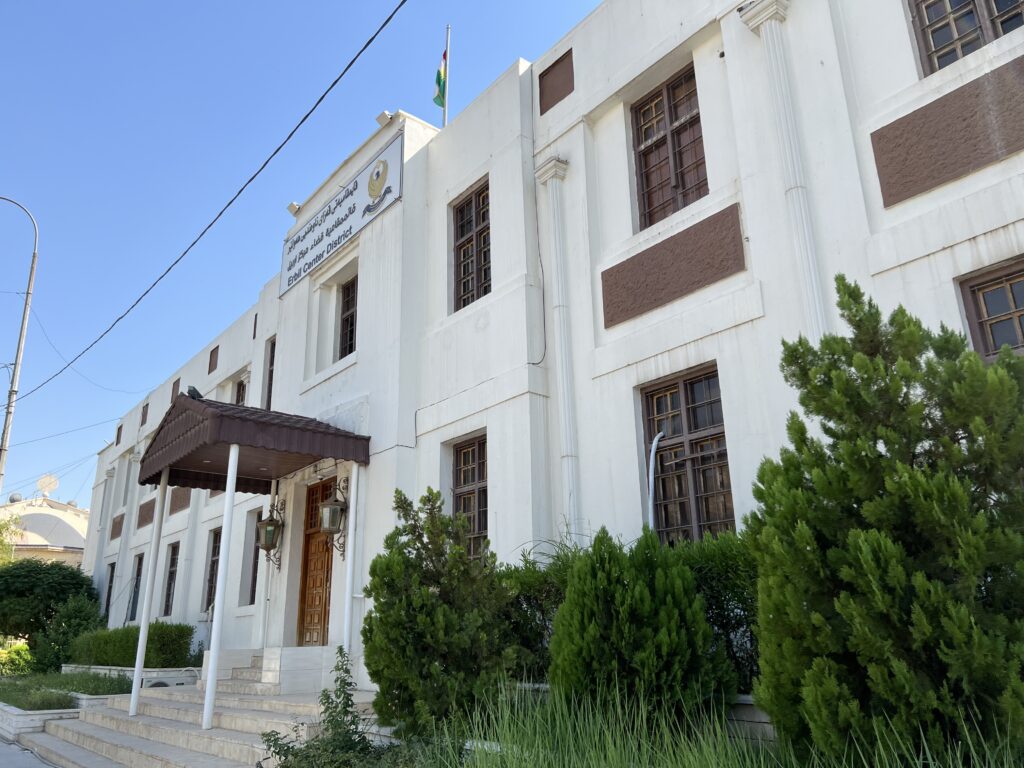
3. Administrative Steps (Ankawa, Erbil, and Similar Areas)
Across Ankawa, Erbil, and most of the Kurdistan Region, renting or buying property requires completing a set of standard administrative procedures.
- Mukhtar (Neighborhood Head)
The Mukhtar, literally meaning “the chosen one”, is the elected or appointed head of a neighborhood, similar to a local mayor or village chief.
- You must inform the Mukhtar that you intend to reside in the neighborhood.
- The Mukhtar issues a residency support letter confirming your address.
- Mukhtars are often located within or closely connected to real estate offices.
- Rental Contract & Security Form (Anket)
- A rental contract is prepared between you and the property owner if you do not already have one.
- An Anket (information form) is filled out for security authorities, containing basic personal details.
- These steps typically cost USD 20–40, depending on the Mukhtar and real estate office.
- District Office Stamp
- Before proceeding to security authorities, the Mukhtar’s letter (or sometimes the Anket) must be stamped by the district administration office.
- Asayish (Security Authority)
- The Asayish are the internal security forces of the Kurdistan Region and have broader authority than regular police.
- At the Asayish office, your documents are stamped and a file is opened in your name.
- You may be asked routine questions such as:
- Name and nationality
- Occupation
- Reason for staying in the area
- General background information
- These procedures are standard for everyone, regardless of ethnicity, religion, or background.
Once these steps are completed – usually within a few hours – you are officially authorized to reside in your rented property.
4. Other Cities and Regions
In cities such as Baghdad, Duhok, and other urban centers, rental markets operate similarly but with different pricing and availability.
- Duhok: (Ask someone for more details)
Smaller than Erbil, with lower rental prices and strong community networks. - Villages:
- Housing is often arranged through family or community connections
- Prices are significantly lower
- Availability depends heavily on local ties and community presence
When choosing to live outside major cities, consider proximity to work, services, and your social network.
5. Buying a House or Apartment
Buying property is possible but requires careful planning.
Where to find properties:
- Websites such as homele.com
- Mobile apps like PAYA Real Estate and Baity Real Estate Marketing
- Social media listings
- Local real estate agencies (most recommended)
Price ranges (approximate):
- Apartments: $50,000–$150,000
- Example: a one-bedroom apartment in Ankawa averages around $85,000
- Houses:
- In Erbil, prices typically start at $120,000 and can reach several million dollars
- Specifically in Ankawa prices range between $100,000 – $400,000
- In villages near major cities, prices can be nearly half those in urban centers
- Example: in Bakhtme (near Duhok), small houses may cost $30,000–$50,000
Financing and payments:
- Bank mortgages are rare (almost non existent)
- Installment plans are common in new private residential complexes
- Down payments can start as low as $10,000
In villages, properties are usually found through community networks rather than agencies. Before buying, consider not only price but also community presence, access to services, and long-term sustainability.
For tailored guidance or investment discussions, The Return can provide support.
2. Employment Considerations
1. Keeping a Remote Job
If you have a salaried or self-employed professional activity that can be carried out remotely, it is entirely possible to maintain it while residing in Iraq. Especially since the rise of remote work after COVID-19, this option has proven to be an excellent way to settle in Iraq, either temporarily or permanently, without interrupting your career. Working conditions are generally good, and it is perfectly common to spend several hours working in cafés without any issue. Internet connectivity is reliable, with fiber-optic coverage extending across all major urban centers and many suburban areas, providing stable and fast access for online work and communication.
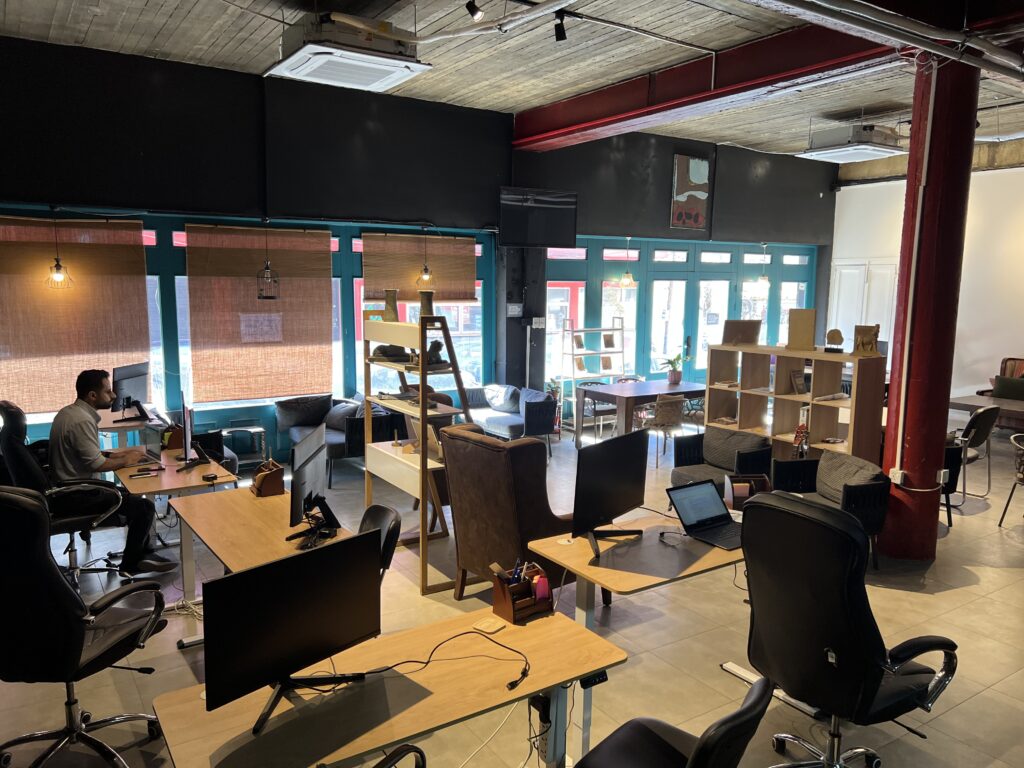
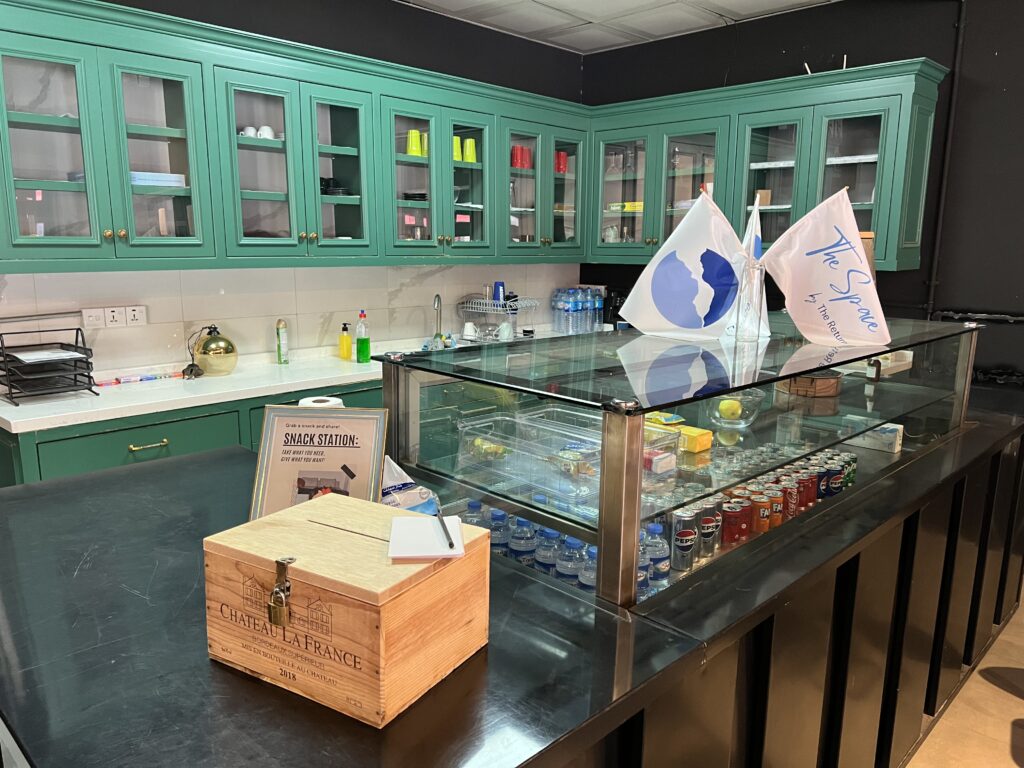
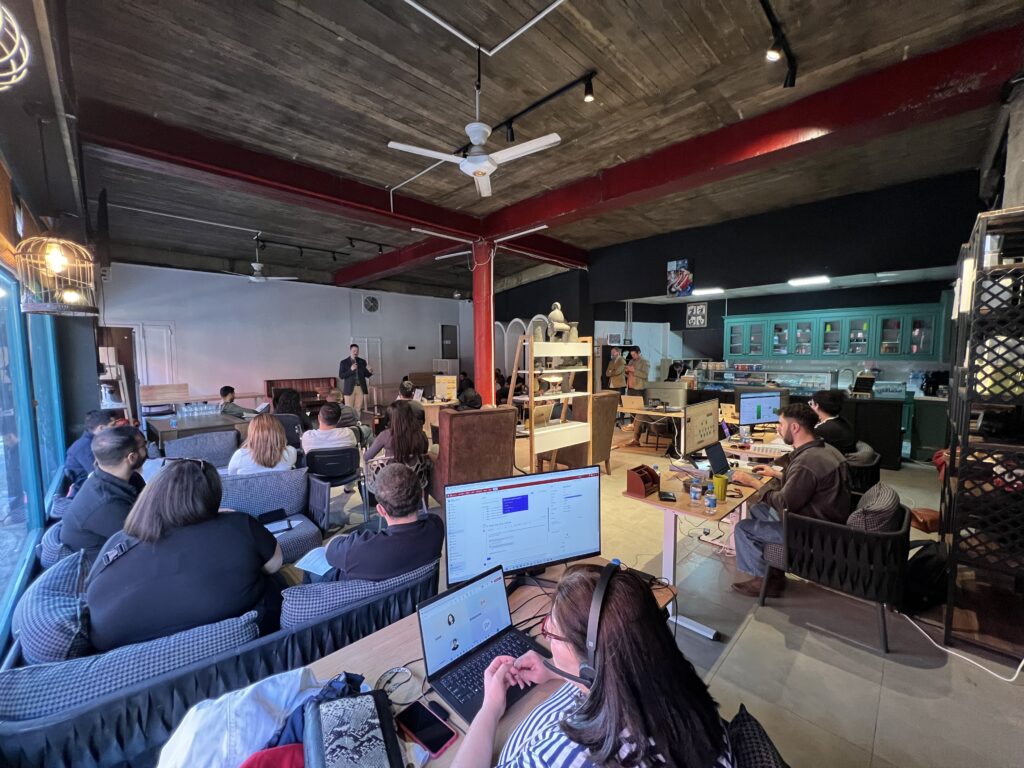
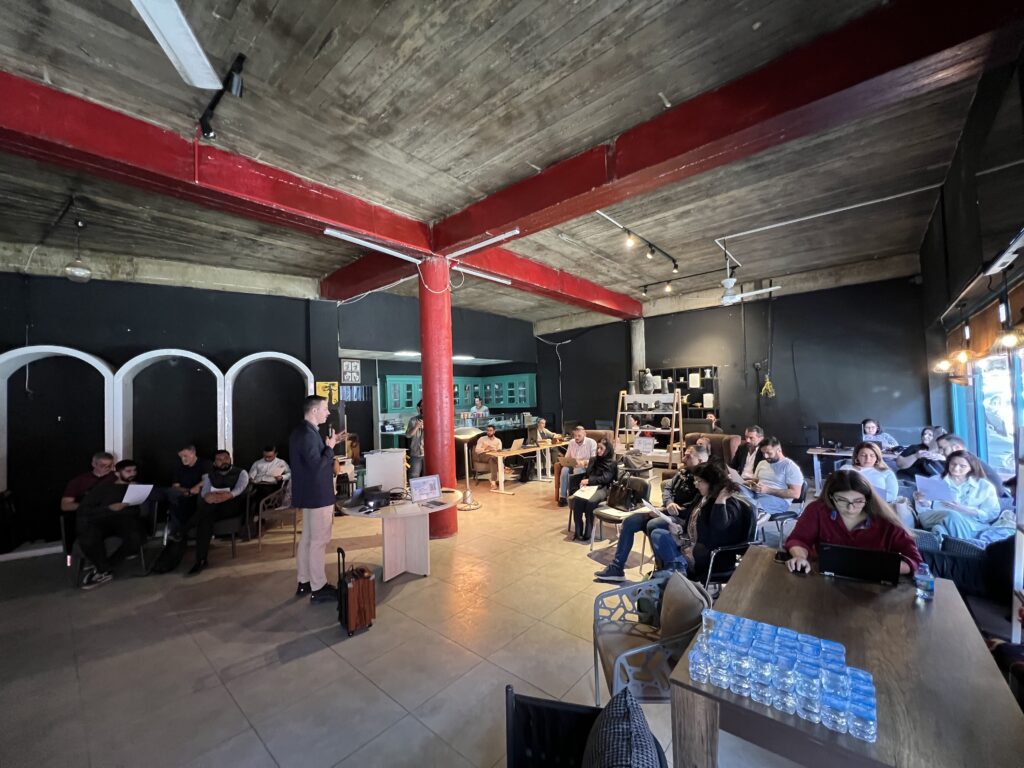
Our organization, The Return, has established a coworking space called The Space in Ankawa, a district on the outskirts of Erbil and the main Assyrian–Chaldean–Syriac enclave in the country. This space offers a professional environment ideally suited for remote work, as well as a community of both local and international professionals. It serves as an excellent starting point for building new friendships, professional connections, and a sense of belonging within a like-minded network.
Remote work provides a unique opportunity to settle in Iraq while maintaining a stable source of income abroad. It allows you to gradually adapt to local life, integrate into society, and learn the local languages without the immediate pressure of finding a local job. This setup also offers valuable flexibility, enabling you to move freely between Iraq and your country of residence while preserving a reliable income, often sufficient to ensure a comfortable standard of living in Iraq.
2. Iraqi Labour Market and the Public Sector
The Iraqi labour market differs significantly from what is commonly found in Western countries. For decades, Iraq relied on a strong state-centered and quasi-socialist system in which graduates were often recruited directly into public administration at the end of their studies, with the possibility of leaving the civil service later if needed. This legacy remains very present today. Public sector employment is still highly valued, and around 37-42 percent of employed Iraqis work for the state, making it one of the largest public sectors in the region. Many families prefer to have at least one civil servant within the household, as public employment guarantees income stability, pensions, and social benefits, even if salaries are generally modest.
3. Private Sector and the Oil Economy
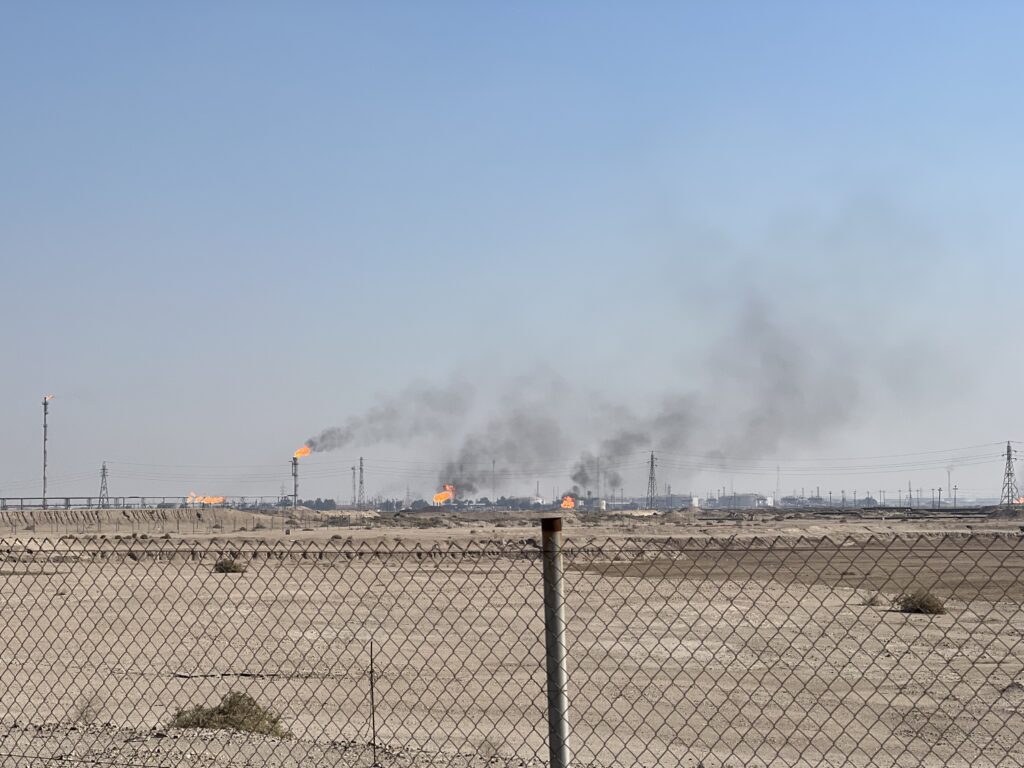
Although the oil sector accounts for roughly 90 percent of the Iraqi state budget, it employs only about 1 percent of the workforce, as it is capital-intensive rather than labour-intensive. As a result, oil wealth does not translate into large-scale job creation.
The private sector therefore absorbs a large share of the remaining workforce, but it is largely dominated by informality. Estimates suggest that more than 60 percent of jobs in Iraq are informal, particularly in small and medium enterprises operating in retail, construction, transportation, and personal services. These jobs often lack formal contracts and social protection. However, when successful, informal or semi-formal businesses can provide very good incomes and flexibility, especially for entrepreneurial profiles.
4. A Promising Education Sector for Returnees
One of the most promising sectors for returnees is private education, including schools, institutes, and universities. This sector has grown significantly in recent years, particularly in Erbil and Duhok. These institutions actively recruit returnees for two main reasons:
- Native or near-native proficiency in foreign languages, especially English
- Familiarity with Western work culture, ethics, and teaching standards
Job openings are frequently published online, and demand remains steady due to the expansion of private education and the aspirations of Iraqi families to provide high-quality schooling for their children.
5. The Current Situation of the NGO Sector
For many years, the NGO sector was a major employer in Iraq, particularly after 2003 and during the post-ISIS period. However, the improvement of the overall security and humanitarian situation has led many international NGOs to scale down or completely end their operations. This trend has been further accelerated by the reduction and suspension of US funding through USAID. While some NGOs are still active and recruiting, opportunities are now fewer and more competitive than in the past.
6. How to Look for a Job: The Importance of Networks
As in many countries, but even more so in Iraq, personal networks play a crucial role in accessing employment. Building relationships takes time and requires daily initiative after arrival:
- Attending cultural, social, and professional events
- Meeting people regularly and expanding social circles
- Leveraging family, community, and diaspora connections
This long-term networking effort is often decisive for successful integration into the labour market and can lead to opportunities that are not publicly advertised.
7. Focus on Job Offer Websites
Online job platforms remain useful, even though some positions may already be informally filled before publication, especially in NGOs and larger organizations where posting jobs is an internal requirement. These platforms are still valuable for identifying active sectors and employers. Commonly used websites include:
- Bayt
- GulfTalent
- Iraq Jobs
- Naukrigulf
- Akhtaboot
- Jobs.krd
- United Nations and NGO career portals
LinkedIn, in particular, is increasingly used by professionals in NGOs, international organizations, and medium to large private companies operating in Iraq.
8. Starting a Business and Investment Opportunities
Entrepreneurship is quite common in Iraq, and many people start small business initiatives even though there is no guarantee of success and bank financing is extremely rare. Traditional banks tend to be cautious, and access to credit is limited, especially for startups without established revenue. This means that many entrepreneurs rely on personal savings, family support, or informal financing to launch and grow their ventures.
This willingness to take risks is partly explained by the way everyday life works for many Iraqis:
- A large majority of households own their homes rather than renting; according to the latest national census, around 71 % of the population are homeowners.
- Many people live with relatively fixed and limited expenses, often without rent, extensive loans, or heavy property-based taxes, which can reduce the financial pressure typically associated with starting a business.
- This context allows some entrepreneurs to pursue business ideas with lower initial costs and more personal flexibility.
However, administrative hurdles can be discouraging or slow. Iraq’s bureaucratic processes, whether for business registration, licensing, or compliance, can be complex and time-consuming. For this reason, it is often advisable to work with a local lawyer or consultant who understands the procedures and can help navigate interactions with government agencies. This support doesn’t eliminate difficulties but can significantly smooth out the process and reduce delays.
For foreign investors and returnees, the Kurdistan Regional Government (KRG) has introduced a set of incentives to make the business environment more attractive:
- A 10-year exemption from non-custom taxes and duties on investment projects once they begin operations.
- Customs and duty exemptions on imported machinery, equipment, and raw materials for projects, depending on the nature of the investment.
- Equal treatment of foreign and local investors under the Investment Law, including the ability to repatriate profits and capital.
- Residency and work permits for foreign investors and their families based on investment status or property ownership, which can help facilitate long-term business presence in the region.
These incentives, combined with Iraq’s expanding market and large young population, have made business creation a viable, if challenging, path for entrepreneurs who understand the local context and prepare accordingly.
3. Retirement and Social Security
Iraq’s pension system has historically been centered on public-sector employment.
- Civil servants may qualify for partial or full pensions after 15-20 years
- Private-sector contributions:
- 5% employee
- 12% employer (varies by sector)
In practice, especially in the Kurdistan Region:
- Employer contributions are not always paid
- Employment may go unregistered
- Informal labor remains common, though declining
While enforcement has historically been weak, labor protections and compliance are improving, particularly among medium and large companies. Awareness of workers’ rights is increasing, strengthening the long-term sustainability of social protection systems.
4. Banking and Financial Services
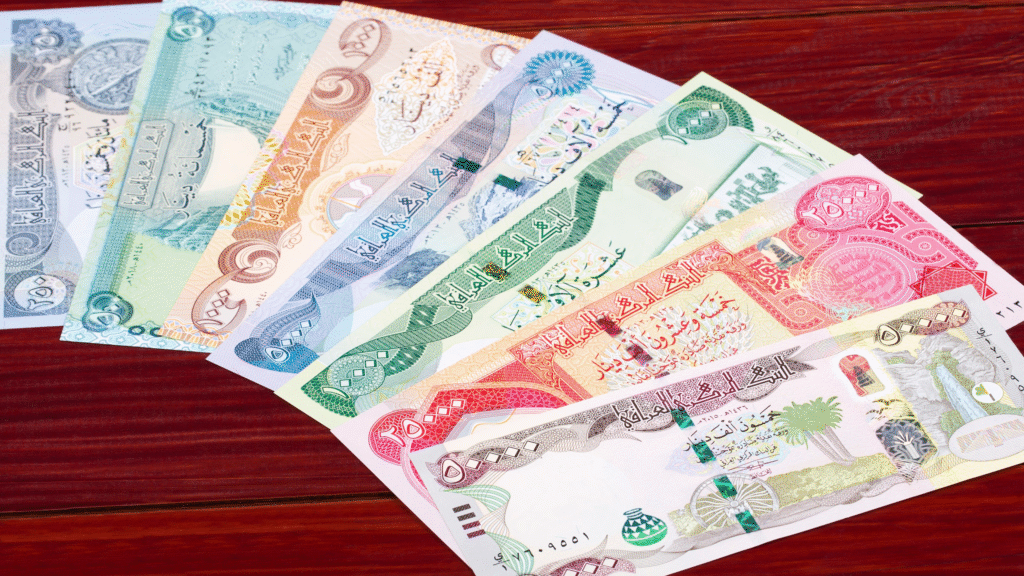
Iraq’s banking system is one of the oldest in the region, but its everyday use remains limited. Decades of war, sanctions, economic instability, and security concerns have deeply shaped public trust in financial institutions. As a result, cash continues to be the dominant means of payment, and many Iraqis prefer to keep their savings outside the formal banking system.
For most of Iraq’s modern history, the banking sector was almost entirely composed of state-owned banks, primarily used for salary payments to public sector employees and basic savings accounts. Private banking is a relatively recent development, emerging more visibly over the past 10–15 years. While important reforms are underway, the system is still in transition.
1. Traditional Banks: What to Expect
Today, banks in Ira, both public and private, are mainly used for basic financial services rather than long-term financial planning. Attempts are being made to reintroduce financial products such as personal loans, housing loans, business loans, marriage loans, and investment financing. However, these services remain limited, selective, and often inaccessible to returnees or newcomers.
Opening a bank account is possible, but it is not automatic. Most banks require:
- Valid identification (Iraqi National ID, or foreign passport with residency)
- Proof of income or source of funds
- A job support letter or documentation of business activity
Accounts are generally opened for a specific purpose; opening an account without demonstrating a clear financial reason is uncommon.
Government banks are still widely used for public sector salaries, but as salary payments become digitized and card-based, many people have reduced their interaction with these institutions. While it is still possible to open savings or other accounts with government banks, public confidence has shifted toward private alternatives.
2. Private Banks and Bank Cards
Private banks now offer debit cards and basic banking services, which were largely unavailable in the past. These cards can be used for ATM withdrawals and limited card payments, mainly within Iraq. However, private banks are still not commonly used for credit, mortgages, or long-term savings.
One notable semi-public system is the Qi Card, which was initially created for government salary payments but has since evolved into a widely used financial tool across Iraq.
3. Digital Wallets: The Most Widely Used Option
The fastest-growing and most practical financial tools in Iraq today are digital wallets and app-based payment systems. These services function as simplified digital banks and are widely used across the country.
Most wallets allow users to:
- Register via a mobile app
- Link their identity
- Order a physical card (optional)
- Make payments with or without a card
They are commonly used for:
- Mobile and internet credit
- Online shopping
- App subscriptions (e.g. Apple, Google, streaming services)
- Peer-to-peer transfers
The most widely used platforms include:
- Qi Card / Super Qi
- FIB
- NassWallet
- ZainCash
- FastPay
- Neo IQ
- Switch
Some of these cards can also be used internationally, though functionality varies by provider. For everyday life in Iraq, digital wallets are currently the most convenient and accessible financial solution, especially for returnees.
4. Transferring Money from Abroad
There are several ways to access money from outside Iraq, each with advantages and limitations:
- International ATM withdrawals: Possible, but often expensive due to high fees, unfavorable exchange rates, and withdrawal limits.
- Cash: The most reliable option. Bringing cash with you (within legal limits) remains the safest and simplest way to secure funds upon arrival.
- Hawala system: A widely used informal money transfer mechanism operated by licensed local exchange offices. Funds are transferred between countries through trusted intermediaries, allowing money to be accessed quickly and efficiently without relying on international banking systems. While informal in structure, it is deeply embedded in the regional economy and commonly used for personal and business transfers.
Many returnees combine these methods: arriving with cash, depositing or loading funds into a digital wallet, and using hawala services when needed.
Key Takeaway
While Iraq’s banking sector is evolving, it is still best approached with realistic expectations. Banks are useful for basic needs, digital wallets are essential for daily life, and cash remains central. Understanding this ecosystem while living here, will help you manage your finances smoothly and avoid unnecessary stress during your transition.
5. Essential Services and Daily Utilities
Understanding how basic services work in Iraq is key to settling in comfortably. While systems may differ from those in Western countries, daily life is generally well adapted to these realities, and most households function smoothly with simple arrangements that are widely understood locally.
1. Electricity
Electricity is provided by the government across Iraq, but the structure and reliability vary by region.
Kurdistan Region (Runaki Project – 2025)
Since the launch of the Runaki project, the Kurdistan Regional Government (KRG) has transitioned most urban areas to a 24/7 public electricity system. Power is now continuous, and private neighborhood generators are no longer part of daily life in cities such as Erbil, Duhok, and Sulaymaniyah.
The KRG has officially announced that Runaki is an ongoing project, with the goal of extending 24-hour electricity to all rural areas and villages, not only major urban centers. While most cities are already connected, some villages and remote areas are still in the process of being integrated and may continue to rely partially on private generators until full coverage is achieved.
Electricity under Runaki is billed based on actual consumption rather than fixed ampere subscriptions. Monthly costs therefore depend on household size, season, and usage habits:
- Spring and autumn: can be as low as USD 25–50 per month
- Average household (2 people): around USD 70–100 per month
- Winter and summer (heating/AC): typically USD 120–150
- Poorly managed consumption: in rare cases, costs can rise significantly up to thousands of Dollars
This system encourages energy awareness and efficient use. Most homes operate with a standard capacity sufficient for normal household appliances, including heaters or air conditioners if managed responsibly.
Stability and contingencies
As with any large-scale infrastructure project, temporary disruptions can occur. In recent years, for example, the Chamchamal–Khurmor gas facility, which supplies fuel critical to electricity production, was targeted in an attack by a hostile entity. This incident temporarily affected electricity supply and had short-term implications for the Runaki system.
The KRG later announced that the issue was resolved and that safeguards had been put in place. Nevertheless, occasional power outages may still occur, usually lasting no longer than a few hours and rarely exceeding 24 hours. For this reason, neighborhood generators were not dismantled after the introduction of Runaki but instead kept as emergency backups, ensuring continuity of service in exceptional situations.
Other parts of Iraq
In many federal governorates, electricity still follows the older model:
- Government electricity is available for part of the day
- Private neighborhood generators supply remaining hours
- Households subscribe based on amperes, typically costing USD 8–15 per ampere per month
2. Water
Government-provided water is available throughout Iraq and is very inexpensive, often costing as little as USD 1–5 per month. However, water supply is not always continuous, especially in summer or in certain neighborhoods.
To manage this, all houses and buildings are equipped with rooftop water tanks (typically around 1,000 liters), made of plastic or steel. When water is available, electric pumps automatically fill these tanks, ensuring residents have water even during outages.
If water supply is interrupted for several days, a common and simple solution exists:
- Water tanker services can be called to refill rooftop tanks
- Cost is usually USD 10–20 per refill
This is not a frequent issue everywhere and depends heavily on location. Many areas experience no interruptions at all, while others may face seasonal shortages.
Drinking water:
Although some locals drink tap water, it is not recommended for newcomers. Most residents either:
- Buy bottled water (widely available and affordable)
- Install household water filtration systems
3. Gas and Hot Water
Iraq does not have a widespread government gas pipeline network for households.
Cooking gas:
Most homes use portable propane/butane (LPG) gas cylinders for cooking. These cylinders are:
- Exchanged through mobile vendor trucks that drive through neighborhoods daily
- Announced by a distinctive musical sound known to all residents
- Exchanged by giving an empty cylinder and paying about USD 5 for a refill
- A new cylinder costs around USD 20
Hot water:
Hot water is typically provided through:
- Electric water boilers (very common)
- Popular gas-based water boilers
- Solar water heaters (Occasionally, especially for houses)
4. Apartments and Residential Complexes
Living in an apartment or residential complex often simplifies utilities:
- Electricity may be prepaid or billed through management
- Water supply is usually more stable
- Gas may be centralized, though many residents still prefer cylinders
- Buildings often include service fees covering:
- Security
- Cleaning of common areas
- Elevator maintenance
- Sometimes water management
Service fees vary by building and location.
5. Waste Management
Garbage collection and waste management are public services and free of charge. Trash is collected regularly by municipal trucks.
During major holidays, it is customary (but not obligatory) for residents to give cleaning workers a small holiday tip, usually USD 2–4, as a gesture of appreciation.
Key Takeaway
While utility systems in Iraq differ from those in Western countries, they are well adapted to local conditions and highly manageable. With rooftop water tanks, 24/7 electricity in the Kurdistan Region, affordable gas systems, and low service costs, daily life is generally comfortable and predictable once the basics are understood.
6. Transportation and Mobility
Transportation in Iraq is largely flexible, informal, and affordable, especially within cities. While public transport systems are limited compared to Europe or North America, daily mobility is generally easy once you understand how things work on the ground.
1. Transportation Within Cities
Taxis (Most Common Option)
Taxis are the most widely used and convenient form of transportation in Iraqi cities, particularly in Erbil.
- Cost:
Taxi rides within the city are very affordable and usually range between USD 2 and 6, depending on distance and time of day. - How to get a taxi:
- The traditional method is to raise your hand on the street.
- Before entering the car, it is customary to agree on the price.
- Once agreed, the price is final and does not change.
- Payment is made after reaching your destination.
- Seating norms:
- Men typically sit in the front passenger seat.
- Women usually sit in the back seat, even if the front seat is empty.
- Exceptions are common (for example, groups of women may use the front seat).
This system is informal but well understood by both drivers and passengers.
Ride-Hailing Apps
Ride-hailing apps are increasingly popular, especially among returnees, expatriates, and visitors.
- Careem is the most widely used app.
- Other apps, such as Obr, also operate in some cities.
- Payment options:
- Cash
- Local digital wallets (as explained in the Banking & Digital Wallets section)
These apps provide fixed pricing, GPS tracking, and ease of use, which can be reassuring for newcomers.
Buses and Shared Transport (City Lines)
Buses are used mainly by locals, particularly those from rural areas to city center.
- There is no fixed timetable or bus stop system like in Europe.
- Instead, cities operate on “lines”, named after neighborhoods or towns (e.g., Ankawa Line, Baharka Line, Gazna Line).
- Buses usually run between these areas and the city center (often near central markets or the citadel).
How it works (Erbil example):
- You wait on a main road (such as Ankawa’s Abu Shakib / Amko Street).
- When a bus (often a Toyota Coaster or Nissan Civilian) approaches, you signal it to stop.
- You pay immediately upon boarding.
- Typical fare: 500–1,000 IQD (approximately USD 0.25–0.75).
- To get off early, passengers simply call out to the driver.
This system is efficient once understood, but may feel unfamiliar to first-time returnees.
Note: This description applies mainly to Erbil. Information on Duhok, Sulaimaniyah, and other Iraqi cities can be added later as systems vary.
2. Intercity Transportation
Traveling between cities is straightforward and offers multiple options:
City Terminals & Transport Companies
- Available in all major cities.
- Two main options:
- Shared seat:
- Costs typically range from USD 8–18, depending on distance.
- Private vehicle:
- Costs usually range from USD 30–70, depending on distance, comfort, and whether door-to-door service is provided.
- Shared seat:
Prices vary based on:
- Distance
- Whether pickup/drop-off is from your home or a central terminal
- Demand and time of travel
Longer routes (e.g., Baghdad to Duhok) are more expensive than regional trips.
3. Car Rentals
Car rentals are widely available and commonly used by returnees and visitors.
- Most common rental car: Nissan Sunny
- Monthly rental costs:
- Approximately USD 300–700, depending on car type and rental duration
Driving in Iraq:
- Traffic laws exist, but driving culture relies heavily on experience and anticipation.
- Driving can be more challenging in cities like Baghdad but is manageable with caution.
- International driving permits are recommended (as covered earlier).
4. Buying a Car (Longer-Term Residents)
For those planning to stay long-term, buying a car is relatively affordable.
- New cars:
- Around USD 10,000–20,000
- Brands include Hyundai, Kia, Toyota (higher range), MG, BYD…etc.
- Used cars:
- Prices do not drop dramatically
- Typically USD 7,500–15,000, depending on condition, brand, year of manufacturing, millage.
⚠️ Important:
Car registration procedures vary by case, residency status, and region. Regulations change, so buyers should always confirm the process through official traffic authorities or trusted local sources before purchasing.
7. Daily Life
Daily life in Iraq is vibrant, social, and deeply rooted in community and routine. While some aspects may feel unfamiliar to returnees at first, most people adapt quickly once they understand how everyday systems function.
1. Food and Dining
Grocery Shopping
Grocery shopping in Iraq is easy, affordable, and widely accessible.
- Local shops:
Small neighborhood markets are found every few streets and cover most daily needs. - Roaming vendors:
Cars and small trucks selling fruits and vegetables regularly pass through residential areas. - Supermarkets and hypermarkets:
Larger stores such as Holland Bazaar, Teammart, and other big supermarkets offer imported goods and a wider selection. Carrefour is also available in several locations, including Ankawa Mall, Family Mall in Erbil, and Family Mall in Duhok, providing a broader range of products and more consistency in quality and pricing. - City-center bazaars:
Central markets are often slightly cheaper than neighborhood areas like Ankawa and are commonly used for bulk purchases.
Fresh produce is inexpensive. For example, a mix of cucumbers, tomatoes, peppers, and similar vegetables often costs around USD 6 per kilogram total, making groceries affordable for both locals and returnees.
While city-center bazaars and local markets tend to be the cheapest, supermarkets such as Carrefour may offer more options in terms of product variety, price ranges, and quality.
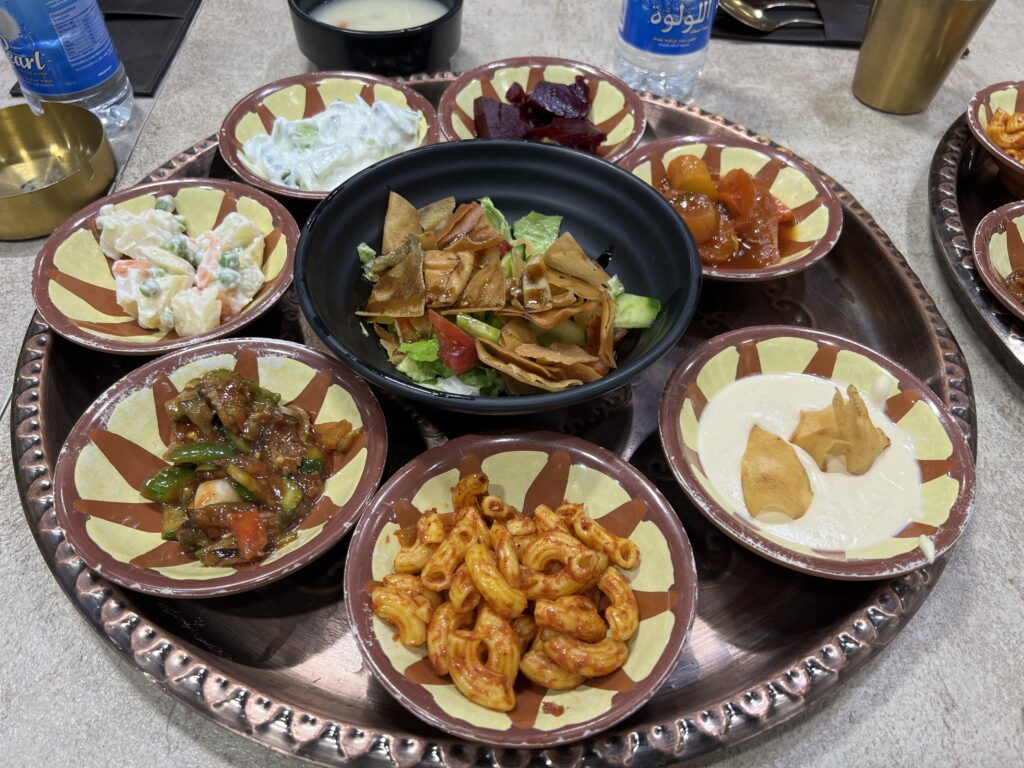
Eating Out
The food and restaurant industry is one of the fastest-growing sectors in Iraq.
- A wide range of options exists:
local food, international cuisines, cafés, fast food, fine dining, and everything in between. - Restaurants are available at almost all hours.
- Prices are generally affordable, with meals ranging from very inexpensive to high-end, depending on preference.
A simple meal, such as a falafel sandwich, can cost as little as USD 0.5, while higher-end restaurants are also available for those who want them.
Practical note for returnees: it is recommended to be cautious at first and gradually adapt when eating street food to avoid food-related illness.
Food Delivery Apps
Food delivery is common in major cities.
- Talabat is the most widely used app across Iraq.
- In the Kurdistan Region, Lezzoo is also popular.
- Other apps include Toters, TipTop, and Talabty.
- Alcohol delivery in Erbil is available through services such as Drinksify and Yalla Cheers, in Erbil.
2. Social Life and Community
Iraqi society is highly family-oriented and social.
- It is common for unmarried individuals to live with their parents.
- Daily visits between family members and friends are frequent.
- Cities come alive in the evenings, with people gathering in cafés, restaurants, and social venues.
Cafés are central to social life, where people meet for coffee, shisha, or conversation. In the evenings, many go to nadi (social clubs), which often serve food and alcohol and may host live music. A typical gathering might include sharing a meal and a bottle of arak while socializing for hours.
Hospitality is a strong cultural value:
- People often insist on paying the bill.
- Offers of food, help, or generosity are common.
- Politeness requires refusing once or twice before accepting, and only accepting if the other person clearly insists.
For example, if a landlord offers to waive a month’s rent, the expected response is to politely decline and insist on paying.
3. Shopping and Everyday Services
Everyday services are widely available and affordable.
- Tailors and dry cleaners:
Very common and inexpensive. For example, shortening jeans may cost around USD 2, while custom or formal garments can be more expensive. - Barbers and salons:
Barber shops are everywhere and typically cost around USD 10, depending on services.
Women’s salons tend to be more expensive and often require appointments, especially for nails or hair styling. - Opening hours:
Most shops stay open all day and may close briefly during lunchtime, depending on location.
Prices for services are generally fixed, and bargaining is uncommon. It is always acceptable to ask for the price beforehand. Overcharging foreigners is relatively rare, and in many cases, locals are more generous than expected.
Clothing and shopping
Shopping malls:
Malls provide a more organized and familiar shopping experience, especially for returnees and visitors who prefer fixed prices and a calmer environment. Major malls include Family Mall (Erbil, Duhok, and Sulaymaniah), Majidi Mall and Grand Majidi Mall in Erbil, and Ankawa Mall. These malls host local and international brands, cafés, restaurants, and entertainment areas. Prices are clearly displayed, haggling is uncommon, and discounts are usually offered through seasonal sales or promotions.
City-center bazaars:
Bazaars offer a wide range of affordable clothing and are commonly used for everyday wear. They are lively, crowded, and part of daily urban life. Haggling is very common in bazaar shops, and prices are often flexible, especially when buying multiple items.
Second-hand clothing markets (langa):
Locally known as langa, these markets sell imported second-hand clothing from Europe and North America. With time and patience, it is possible to find high-quality items or well-known brands at very low prices, sometimes as low as USD 10 for jackets or outerwear.
4. Communication and Internet
Mobile SIM Cards
Physical SIM cards and eSIMs are available throughout Iraq.
- Major providers: Asiacell and Zain Iraq
- In the Kurdistan Region, Korek Telecom has the strongest coverage.
- SIM cards are easy to obtain with an ID or passport.
Important notes:
- Korek works very well inside the Kurdistan Region but mobile internet stops immediately outside KRG borders.
- Calls between Asiacell and Zain work normally.
- Calls from Asiacell or Zain to Korek may not work due to regulatory issues.
Typical mobile plans start at USD 8 per month, depending on data and call allowances.
Internet-Only SIMs and Home Internet
- Fastlink (KRG) offers internet-only SIMs, starting around USD 5 for 20 GB per month.
- Korek also offers combined data and calling packages (e.g., USD 8 for 10 GB plus call credit).
For home internet:
- FTTH (fiber-to-the-home) is the best option where available and costs around USD 20 per month.
- Urban areas in the Kurdistan Region are largely covered.
- Rural areas may rely on wireless routers or Fastlink home systems.
- In central and southern Iraq, internet access is more varied and often relies on local wireless providers rather than fiber.
WhatsApp is the primary communication tool, followed by Facebook Messenger, Instagram, Snapchat, Viber, and others.
5. Daily Rhythm of Life
- Working hours:
- Public sector: approximately 8:00 AM – 2:00 PM
- Private sector: typically 8:00 or 9:00 AM – 4:00 to 6:00 PM
- Weekend: Friday and Saturday
Public Holidays
Holidays vary by region and community:
- Islamic holidays (Eid al-Fitr, Eid al-Adha)
- Christian holidays (Christmas and Easter) for Christian communities
- Newroz in the Kurdistan Region
- Akitu (April 1st) in the Kurdistan Region
- Victory over ISIS/Daesh national holiday
- Some Shia religious holidays, depending on location
Seasons and Climate
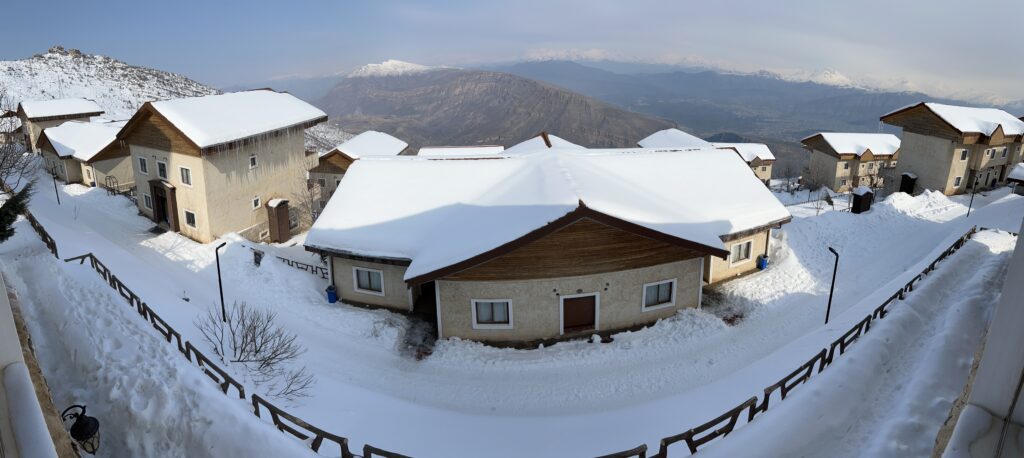
- Winter: cold and dry in the north
- Summer: extremely hot, especially in central and southern Iraq, reaching up to 50°C
- Spring: widely considered the best season; green landscapes, mild days, cool nights
- Autumn: mild and comfortable, gradually cooling without extreme temperatures
8. Understanding Laws, Rights, and Responsibilities
1. Basic legal and moral awareness is essential
Iraq has a complete legal system, but in everyday life, relationships and conflicts are not handled exclusively through formal legal channels. In practice, many situations are resolved through direct discussion, mediation, or community-based mechanisms. In Arab and Kurdish communities in particular, tribal or community leaders may intervene to help resolve disputes in a consensual way.
A common example is road traffic. Most drivers do not have car insurance, yet accidents are usually settled calmly on the spot. Drivers discuss responsibility directly, and if needed, a traffic police officer can be called to draft an incident report and clarify fault. The process is generally straightforward and non-confrontational.
Iraqi society places strong importance on respect, honor, and moral conduct, especially in matters related to money, agreements, and negotiations. Everyday crime such as random theft, fraud, or opportunistic violence is extremely rare. Such acts are not only punished legally but also carry strong social consequences for the individual and their family or community.
As a result, behaviors that may exist in Western contexts—such as threatening to sue in order to assert one’s rights—are often perceived as abnormal or counterproductive. In most cases, issues are resolved more effectively through dialogue.
2. Emergency services and legal assistance vary by region
Emergency response services exist nationwide in Iraq, although quality and response times vary by city and region. Since 2025, the Iraqi Ministry of Interior has been rolling out a unified emergency number, 911, starting in Baghdad and gradually expanding to other parts of the country. This centralized system replaces more than two dozen separate hotlines and connects police, ambulance, fire, and civil defense services through a single dispatch platform. The 911 call centers operate 24/7, can manage multiple calls at the same time, and provide assistance in Arabic, Kurdish, and English, with a network of main and regional response units designed to improve coordination and efficiency.
At the same time, traditional emergency numbers remain in use, particularly in the Kurdistan Region and in areas where the 911 system has not yet fully replaced existing services. The most commonly used numbers are 112 for police, 122 for ambulance and medical emergencies, and 115 for fire services. These numbers are generally valid across both federal Iraq and the Kurdistan Region, although local practices may differ slightly. Emergency services are typically more accessible and responsive in major urban centers such as Baghdad, Erbil, and Duhok than in rural areas. For non-emergency legal matters, lawyers are widely available throughout the country, and personal recommendations are often the most reliable way to find competent legal assistance.
3. Checkpoints: routine security infrastructure
Checkpoints are present throughout the country, especially:
- Between cities and governorates
- At the borders between Federal Iraq and the Kurdistan Region
They are a normal and routine part of daily life and play an important role in maintaining security. There is no reason to be concerned when passing through them.
What matters is having valid documents, which may or may not be requested:
- Iraqi national ID
- Passport
- Valid visa or residence permit
Officers may ask where you are coming from and where you are going, or occasionally request to inspect the vehicle trunk. For foreign passport holders of Iraqi descent, showing proof of Iraqi ancestry—even a photo of an ancestor’s Iraqi ID—can be helpful in some situations.
Key rules to remember:
- Remain respectful and cooperative
- Photography and video recording are strictly prohibited at checkpoints
4. Understanding security forces: police, traffic police, and Asayish
Security responsibilities are divided among several forces:
- General police handle criminal matters and routine law enforcement.
- Traffic police deal exclusively with road safety, traffic violations, and accident reports.
- Asayish, specific to the Kurdistan Region, are responsible for internal security, intelligence, and background checks.
In the Kurdistan Region, having a registered file with the Asayish is required for many everyday activities:
- Renting a house or apartment
- Obtaining or renewing residency
- Opening a business or commercial activity
These procedures are generally straightforward and do not pose difficulties in standard cases. However, local regulations may apply in certain areas. For example, in Ankawa, which benefits from demographic protection measures, the Asayish generally do not authorize the rental of housing to a single Muslim man. These rules stem from official local policies rather than informal practices.
Understanding both the formal legal framework and the informal social norms is essential for navigating daily life smoothly and respectfully in Iraq.
9. Building a Social and Cultural Network
Building a sense of belonging in Iraq is deeply connected to community, shared spaces, and everyday social interaction. Integration is not only about paperwork or employment, it is shaped by relationships, routines, and participation in social and cultural life. While this can feel overwhelming at first, especially for returnees, many find that once they begin engaging, networks form naturally and quickly.
1. Local Organizations and Community Spaces
Many returnees begin by connecting through The Return’s network, which offers a natural entry point into meeting others who are also navigating life back in Iraq. Attending gatherings, working from The Space by The Return, or joining returnee-focused activities helps create both professional and personal connections in an environment that understands the return experience.
Volunteering is another effective way to integrate. Organizations such as Shlama Foundation, Etuti, and similar local initiatives regularly engage volunteers in education, community support, and cultural programs. Participating in short-term or ongoing volunteer work often leads to strong social ties and a deeper understanding of local life.
Programs, visits, or group activities with initiatives also provide opportunities to meet people across different cities and communities.
2. Religious Institutions and Faith-Based Life
Religious institutions remain one of the strongest social anchors across Iraq. For many returnees, churches are not only places of worship but central community spaces.
Attending Sunday mass often leads to informal social gatherings afterward, where people meet and talk. Many churches organize: Youth groups, Choirs, Sunday schools (often held on Fridays), and Community meals and seasonal events
Larger church-organized gatherings, such as AYM events in the Chaldean Church, Assyrian Church’s International Youth Conference, or Syriac Church “Sons of Peace” gathering, bring together participants from different regions and help expand networks beyond one neighborhood or city.
Major religious feasts such as the Feast of the Cross, Christmas, Easter, and Saint George’s Feast are widely celebrated and open to participation. Attending these events, even casually, is one of the easiest ways to feel connected.
3. Cultural Centers, Events, and Language Spaces
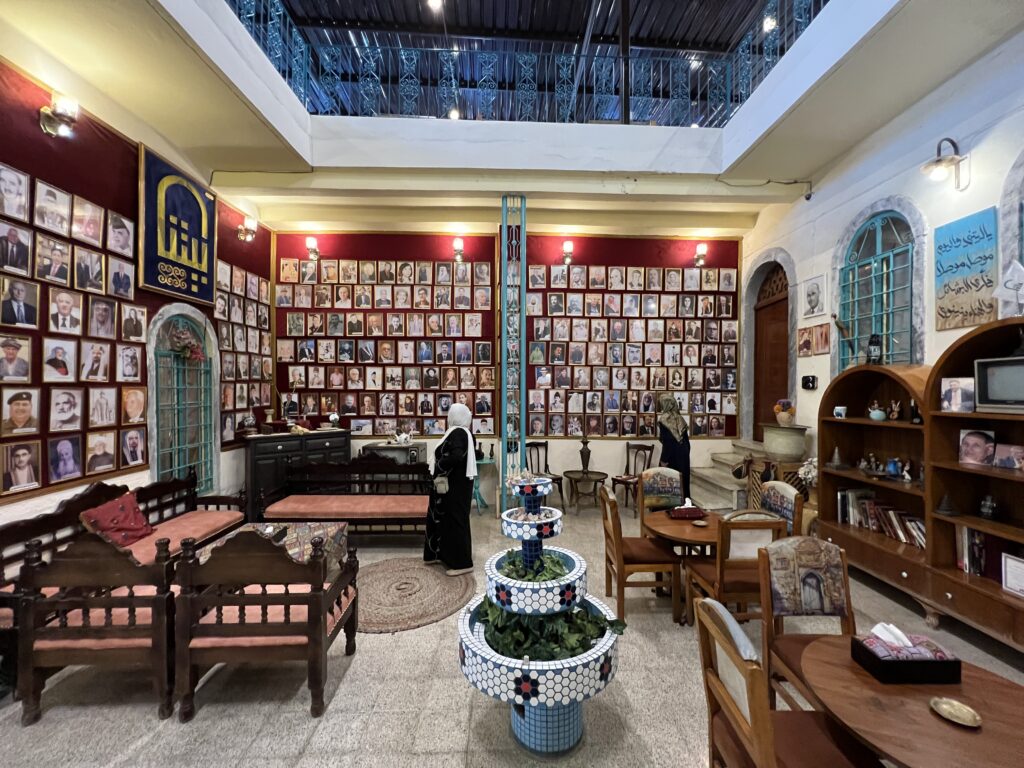
Assyrian Chaldean Syriac cultural centers and social clubs regularly host events, talks, celebrations, and social gatherings. Attending these activities helps returnees reconnect with cultural identity while meeting people with shared interests.
Language courses, whether Arabic or Kurdish, are another practical and social entry point. Beyond learning the language, these classes often become informal social circles where friendships naturally form.
Seasonal festivals and public celebrations are also important. Events such as Akitu, Christmas festivals, spring picnics, and local feast celebrations are widely attended and provide open, welcoming spaces for social interaction.
4. Youth, Professional, and Interest-Based Groups
There are also youth initiatives and professional networks that help people connect through shared interests or careers. Some youth groups, such as Khouyada, organize social and cultural activities that attract younger returnees.
For professionals, networking groups and platforms, including those managed through Sukkal App, offer ways to meet others working in similar fields, attend events, and build professional relationships.
Many returnees find that once they engage with just a few of these spaces, their social life quickly becomes active, sometimes to the point of feeling busy every evening.
5. Everyday Social Interaction
Beyond formal organizations, everyday interactions play a major role in building a sense of belonging. Talking to neighbors, greeting shop owners, accepting invitations for coffee or meals, and attending local events all contribute naturally to integration.
Iraqi society is generally hospitable and community-oriented. People often offer help, invitations, or generosity without expectation. At the same time, it is important for returnees to rely on themselves and build confidence through everyday experiences. Making mistakes is normal and expected, whether it is taking the wrong taxi, mispronouncing a word, or navigating a situation differently than intended.
Learning some of the local language, even at a basic level, goes a long way in daily interactions and helps reduce dependence on others. Over time, routine actions such as using taxis, shopping independently, or handling small challenges become second nature.
It is also important not to be guided by media portrayals or outdated narratives about Iraq. Daily life in most areas is calm, social, and predictable, much like any other country, and in many cases, safer than commonly assumed. Confidence grows through presence, consistency, and participation in everyday life.
10. Challenges and Adaptation
Returning to Iraq comes with a range of challenges that vary depending on each individual profile. Your personal background plays a major role in how smooth the transition will be. Some returnees are already familiar with local culture, social codes, and languages, while others, especially those born or raised in the diaspora, may have limited exposure to daily life in Iraq, local interactions, or the differences between dialects and regions.
One of the first challenges is cultural and social adjustment. Many returnees come from more liberal societies, while Middle Eastern societies are generally more conservative, including within the Assyrian-Chaldean-Syriac community itself. Adapting to local norms is often necessary. This includes clothing choices for both women and men. For example:
- Men wearing shorts is often poorly perceived in conservative city centers, clubs (nadi), administrative buildings, or churches.
- Open shoes such as flip-flops, slippers, or very casual sandals are not accepted in formal settings.
- Closed or semi-closed sandals may be tolerated, but formal or neutral footwear is generally expected.
Language is another significant challenge. In Iraq, many people within our community speak Sureth, Arabic, Kurdish, and English fluently. For returnees from the diaspora, especially those who have never lived in the Middle East, this can be demanding. Learning basic Arabic and Kurdish is important for everyday interactions such as shopping or taking taxis. While Sureth is widely spoken in our towns and villages, some returnees may struggle with certain dialects, particularly those from the Erbil or Nineveh areas, which can differ from dialects spoken by Assyrians originating from Hakkari or Iran. This language barrier can be discouraging at first, but it is often eased through the support systems provided by The Return, personal efforts to socialize, and daily interactions within the community and workplace.
Work life can also present difficulties. Professional ethics and labor practices differ from what many returnees are used to. In parts of the private sector, labor law may be applied loosely, with issues such as unpaid overtime or limited access to leave. Larger companies and NGOs are generally more structured, more compliant with labor regulations, and operate with clearer internal processes. Informal jobs, such as small family-run businesses and local shops, tend to be far less regulated.
Finally, there is a more personal and psychological dimension. Many returnees carry an idealized image of the “homeland,” shaped from afar. The reality on the ground is often more nuanced. Daily life reveals positive aspects that may not have been anticipated, as well as limitations or frustrations that do not match long-held expectations. Approaching the return with an open, curious mindset and a willingness to observe, learn, and adapt is essential for long-term integration and personal balance.
11. Tourism: Returning Home and Rediscovering Iraq
Returning to Iraq can also mean rediscovering the country beyond everyday life, its landscapes, history, spiritual heritage, and cultural depth. For many returnees, tourism is not about “visiting” Iraq, but about reconnecting with it, learning its layers, and seeing familiar places with new eyes.
Iraq, the historic heart of Mesopotamia, is one of the world’s most culturally and historically significant countries. While it continues to recover from decades of conflict, travel has steadily resumed, and domestic tourism has grown rapidly. With proper planning and reliable local guidance, exploring Iraq today can be safe, meaningful, and deeply rewarding.
In 2025, Baghdad was named the Capital of Arab Tourism, reflecting renewed attention to Iraq’s cultural and historical heritage.
1. Best Time to Travel
The most comfortable seasons for travel are:
- Spring (March–May): Mild weather, green landscapes, festivals, and outdoor activities
- Autumn (September–November): Pleasant temperatures and ideal conditions for sightseeing
Summer can be extremely hot, especially in central and southern Iraq, while winters in the north can be cold and dry.
2. Must-See Destinations Across Iraq
Ancient Cities & Archaeological Heritage
Iraq is home to some of the oldest cities in human history.
- Babylon
Once one of the most powerful cities of the ancient world. Key highlights include the Lion of Babylon, remnants associated with the Ishtar Gate, and ruins traditionally linked to the Tower of Babel. - Ur & Abraham’s House
The ancient Ziggurat of Ur and the site traditionally associated with the birthplace of Abraham, holding both biblical and archaeological significance. - Ashur (UNESCO World Heritage Site)
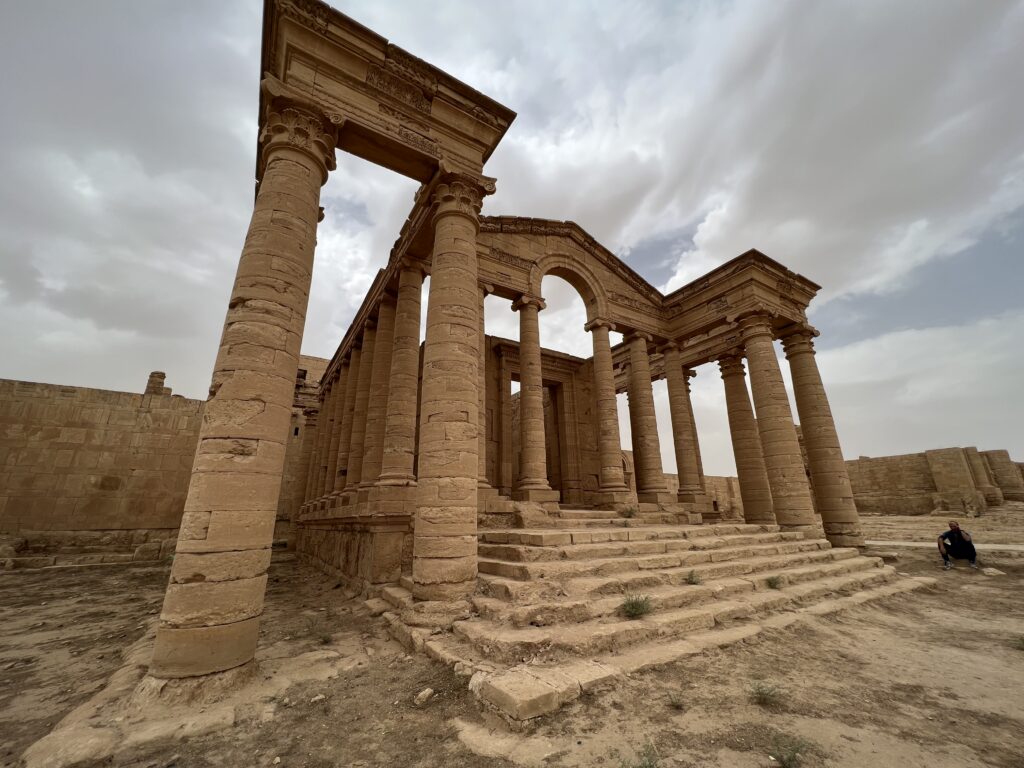
Near Al-shirqat city in Salahaddin governorate, the first capital of the Assyrian Empire and a major religious center of ancient Mesopotamia. - Hatra (UNESCO World Heritage Site)
A fortified Parthian city known for its unique blend of Mesopotamian, Hellenistic, and Roman architectural styles. - Erbil Citadel (UNESCO World Heritage Site)
One of the oldest continuously inhabited settlements in the world, surrounded by the historic Erbil bazaar and city center. - Mosul Old City
A historic urban center known for its narrow alleyways, traditional houses, and cultural diversity, now undergoing restoration. - Southern Marshes (Al-Ahwar, UNESCO World Heritage Site)
A unique wetland ecosystem and home to the Marsh Arabs, preserving a way of life rooted in ancient traditions. - Khinis and Jirwan
Assyrian engineering sites, including Sennacherib’s canal system and dam structures.
Religious and Spiritual Heritage
Iraq is a land of deep religious coexistence, home to some of the world’s most important spiritual sites.
Christian Heritage
- Rabban Hormizd Monastery (Alqosh)
A 7th-century monastery carved into the mountains, containing ancient Syriac inscriptions and the tomb of Saint Hormizd. - Mar Mattai Monastery (near Mosul)
One of the oldest Christian monasteries in the world, dating back over 1,600 years, still active today. - Mar Behnam and Sarah Monastery (near Bakhdeda)
A 4th-century monastery linked to early Christian martyrdom and regional history. - Historic Churches of Mosul
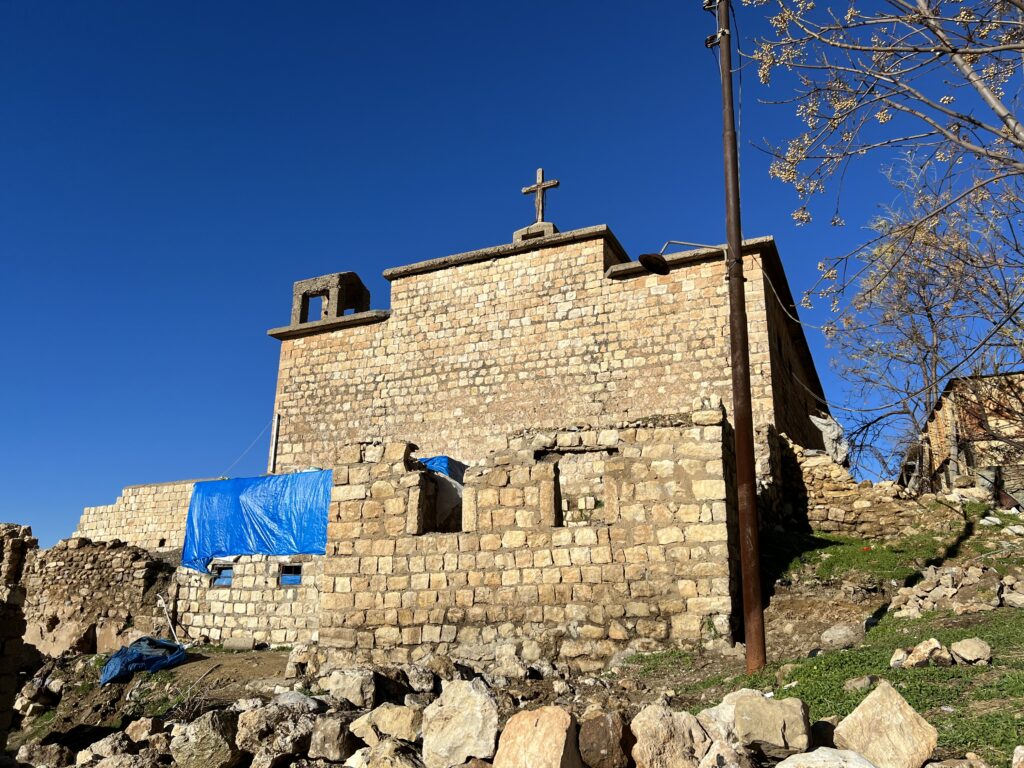
Symbols of Iraq’s religious diversity and resilience, many of which are being restored and reopened. - Christian Villages of the Nineveh Plains, Barwar, Nala valley, Sapna Valley, Zakho, Shaqlawa
Small communities preserving centuries-old traditions, architecture, and communal life. - St. Thomas Chaldean Church (Basra)
Located in the old city, surrounded by traditional shanasheel balconies.
Other Religious Sites
- Lalish
The holiest site of the Yazidi faith, located in a mountain valley. Visitors must remove their shoes before entering. - Al-Nouri Mosque (Mosul)
A major Islamic landmark known for its historic minaret and spiritual significance. - The Malwiya Minaret (Samarra)
An iconic spiral minaret and one of Iraq’s most recognizable Islamic monuments.
Baghdad: Cultural and Urban Life
Baghdad remains Iraq’s cultural and intellectual heart.
- Al-Mutanabi Street
A historic street filled with bookstores, cafes, and art stalls, a gathering place for writers, poets, and thinkers. - The Iraq Museum
One of the world’s most important archaeological museums, housing artifacts from ancient Mesopotamian civilizations. - Abu Nawas Street
A riverside promenade popular for evening walks and social life. - Modern Malls and Cultural Spaces
Reflecting Baghdad’s evolving urban life.
Nature and Outdoor Exploration
Northern Iraq offers diverse landscapes and outdoor activities.
- Mountain Regions
Scenic views, villages, and seasonal greenery. - Aqra and Amadiya
Known for dramatic mountain settings, heritage sites, and hiking opportunities. - Hiking, Waterfalls, and Picnics
Especially popular in spring and early summer.
3. Travel Safely: Working with Local Operators
For a safe, enriching, and well-organized travel experience, especially for returnees and first-time visitors, it is highly recommended to explore Iraq through licensed local tour operators. These groups are familiar with current conditions, cultural sensitivities, logistics, and access requirements, and they often organize trips that combine history, nature, and social connection.
Below are some well-known and commonly used operators and groups. Please note that activities, schedules, prices, and availability may differ, and most coordination is done through Instagram or direct contact. Information is current at the time of writing.
Here is Assyria
Organizes cultural events, heritage-focused trips, and community-based activities. Activities and schedules vary throughout the year.
Astikshaf Alalam
Offers 3–4 day trips across different regions of Iraq, as well as frequent one-day tours Known for covering a wide geographical range and mixed cultural–historical itineraries.
Mesopotamia Tourism
Organizes regular trips, often on Fridays, featuring different destinations and themes.
A popular choice for archaeological, cultural, and educational tours.
Alqosh Tourism
Focuses on Alqosh and surrounding areas, including monasteries, heritage sites, and nature.
Often used for local and regional exploration.
Ankawa Hiking Group
Specializes in hiking, nature trips, and outdoor activities, mainly in northern Iraq.
Trips range from beginner-friendly walks to more demanding hikes.
Bilweekend
Offers organized weekend trips, including nature, leisure, and cultural experiences.
Popular among young adults and mixed social groups.
⚠️ Note:
Tour operators in Iraq often announce trips on short notice, adjust routes based on conditions, and communicate primarily via social media. It is recommended to:
- Check recent posts and stories
- Confirm details directly before booking
- Ask about transportation, meals, difficulty level, and accommodation (if applicable)
Final Thoughts
Tourism in Iraq today is not about mass travel or polished experiences. It is about discovery, reconnection, and understanding a country in transition. Whether you are returning to your roots, exploring your heritage, or seeing Iraq for the first time, travel here rewards patience, curiosity, and respect.
Approached thoughtfully and realistically, rediscovering Iraq can be one of the most meaningful parts of the return journey.