
If you have any comments or suggestions about the Guide, or if you would like to initiate your return process, please contact us by email at info@the-return.co
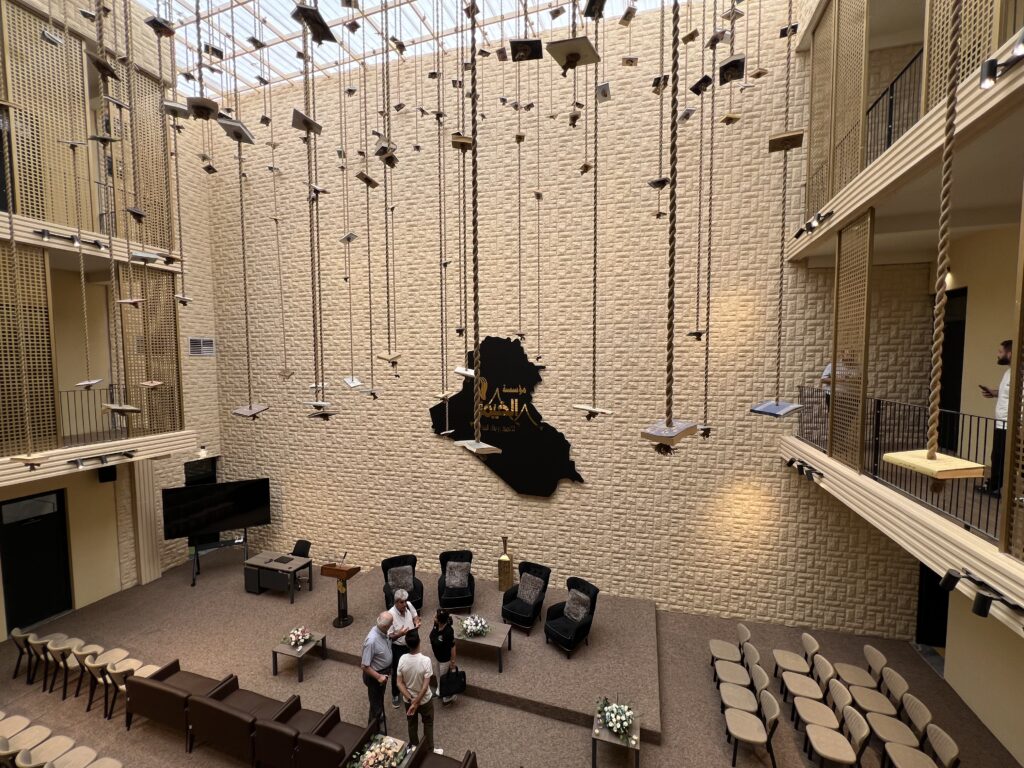
Modern Iraq is a relatively young state, having emerged in the early 20th century. In just over a century, it has flown nine different flags and undergone repeated political transformations. Today, Iraq has a population exceeding 46 million people, spread across 19 governorates, making it one of the most populous countries in the Middle East. Notably, at least 64% of the population is under the age of 30, making Iraq one of the youngest societies in the region.
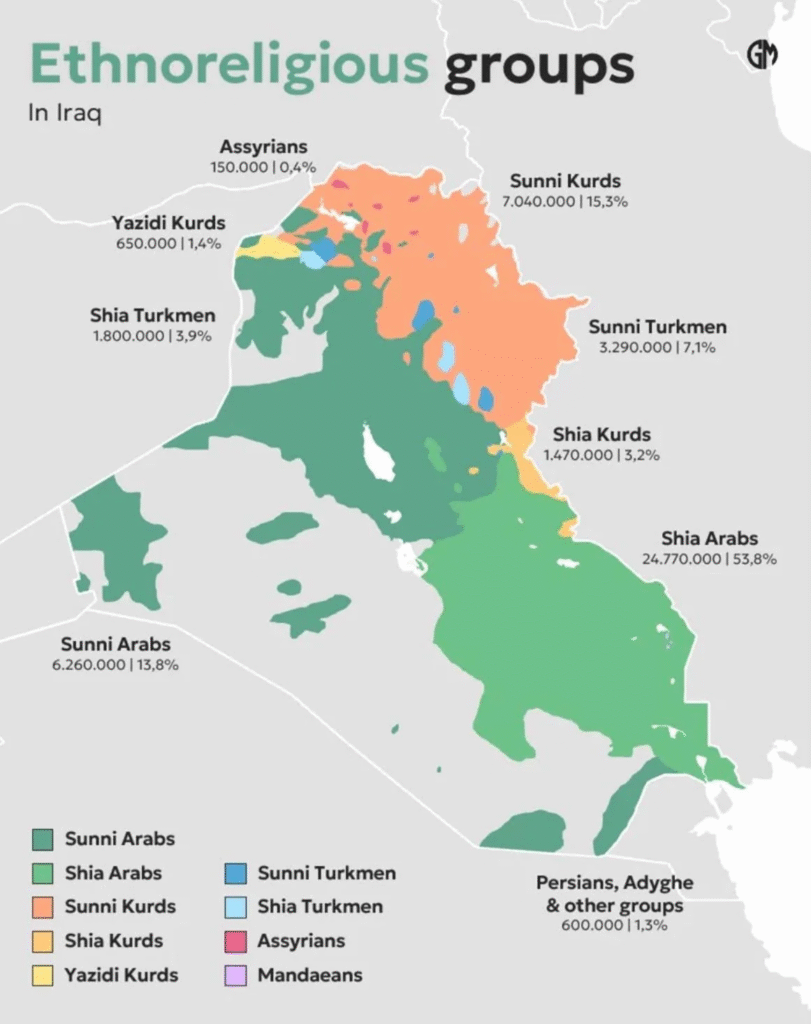
Iraq’s modern history has been shaped by intense struggles over identity, power, and belonging. Sectarian and ethnic tensions, intensified by decades of authoritarian rule, wars, and foreign interventions, have left lasting marks on the country’s social and political fabric. Sunni Arabs, Shi’a Arabs, and Kurds form the largest demographic groups, while many other indigenous ethno-religious communities, including Assyrians, Chaldeans, Syriacs, Armenians, Yazidis, and others, have historically had limited political representation. This marginalization has been a major driver of emigration and displacement, a process that continues to affect communities today.
1. A Brief Historical Trajectory
Since the overthrow of the monarchy in 1958, Iraq has endured more than four decades of near-continuous conflict. These include the Iran–Iraq War (1980–1988), the Gulf War (1991), the U.S.-led invasion in 2003, the subsequent civil war, and later the rise of ISIS. More recent events, such as the 2019 Tishreen protests, signaled a powerful moment of civic awakening, particularly among younger Iraqis demanding dignity, accountability, and opportunity.
Despite immense suffering, these cycles of crisis have also produced moments of renewal. A new generation has emerged, one shaped by hardship, but also deeply committed to peace, stability, and reform. Across the country, especially among youth, there is a growing sense of civic consciousness and a desire to reclaim Iraq’s future.
2. Geography and Demographics
Iraq lies at the heart of the Middle East, bordering Turkey, Iran, Kuwait, Saudi Arabia, Jordan, and Syria. Its geography is remarkably diverse: the fertile plains of Mesopotamia between the Tigris and Euphrates, the mountainous north, and vast desert regions in the west and south. This diversity has historically supported agriculture, trade, and cultural exchange.
According to preliminary results from the November 2024 national census, Iraq’s population has surpassed 45.4 million, including foreigners and refugees.
- 36.1% of the population is under 15
- 60.2% falls within working age (15–64)
- Around 70% of Iraqis live in urban areas
Home-ownership remains relatively high:
- 71.14% own their homes
- 19.41% rent privately
- 2.12% rent from the government
- 6.33% live in free housing
The average household consists of approximately five people.
3. The Christian Presence in Iraq
Iraq’s Christian population, historically composed mainly of Assyrian-Chaldean-Syriacs and Armenians, has experienced a dramatic decline since 2003. From an estimated 1.5 million, the numbers have fallen sharply due to war, persecution, and economic instability.
Recent estimates from the Shlama Foundation place the Christian population at approximately 139,000, primarily concentrated in:
- Nineveh: ~50,000
- Erbil: ~30,000
- Duhok: ~30,000
Smaller communities remain in Baghdad, Kirkuk, Sulaymaniyah, and Basra.
Despite these losses, Christian life persists. Areas such as the Nineveh Plains and Ankawa continue to serve as cultural, religious, and social anchors. Churches, schools, and community organizations remain active, preserving language, faith, and traditions that have survived for centuries. While uncertainty remains, ongoing efforts toward reconstruction, security, and minority rights offer cautious but real hope.
4. Political Landscape
Iraq is a federal republic governed under the 2005 Constitution, which recognizes the country’s multi-ethnic and multi-sectarian nature. The country is divided into 19 governorates, including the Kurdistan Region of Iraq (KRI), which enjoys a high degree of autonomy, similar to regions like Quebec in Canada.
The Kurdistan Regional Government (KRG) maintains its own parliament, security forces (the Peshmerga), and administrative systems. However, relations between Erbil and Baghdad remain complex, particularly regarding oil revenues and disputed territories.
National politics are highly competitive and fragmented. Major actors include:
- The Coordination Framework (Shi’a coalition)
- The Sadrist Movement
- Sunni political blocs such as Taqadum
- Kurdish parties, primarily the KDP (Erbil and Duhok) and PUK (Sulaymaniyah)
While political instability and governance challenges persist, institutions continue to function, and reforms, though slow, remain ongoing.
5. Security Considerations
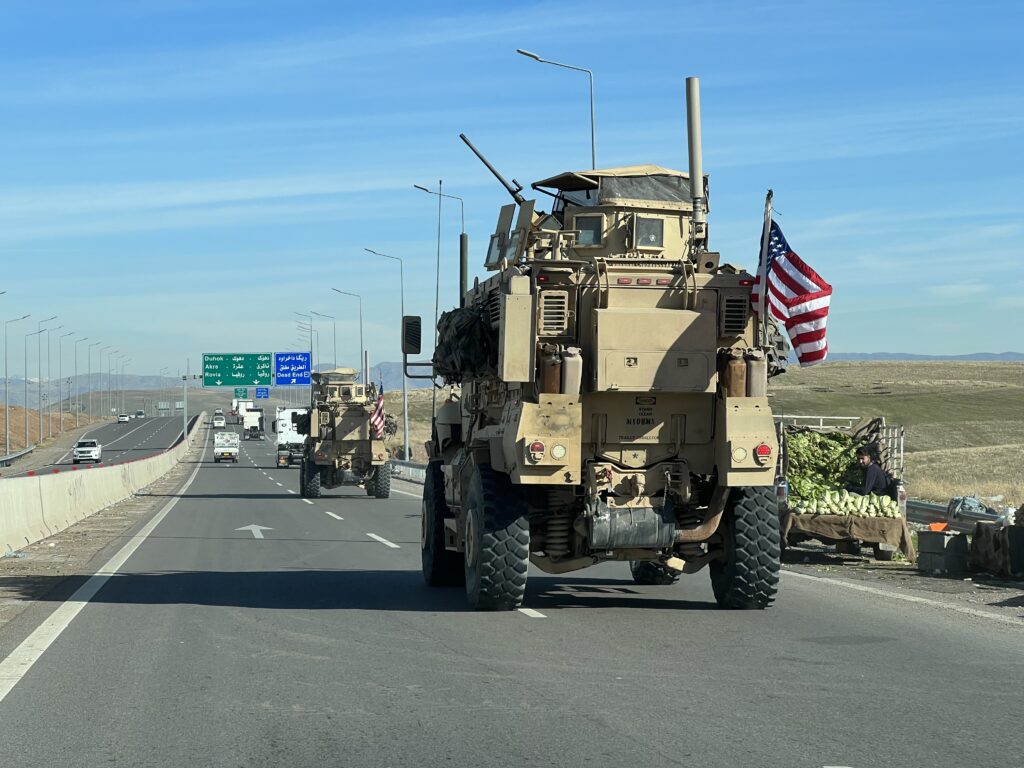
Iraq’s security situation has improved significantly in recent years. Large-scale terrorist attacks have become rare, particularly in major cities. The defeat of ISIS as a territorial entity in 2017 and continued counterterrorism efforts have stabilized much of the country.
Daily life is generally safe, with low levels of street crime such as theft or assault. One of the most common risks is reckless driving, which requires caution and adaptation.
According to global safety rankings:
- Erbil scores highly on international safety indices
- Baghdad, while more complex, is comparable or safer than several major Western cities
Northern Iraq, particularly the Kurdistan Region, is today safer than many of the countries where Iraqi diaspora communities currently reside.
Northern Iraq is officially safer than the places its Assyrian-Chaldean-Syriac community immigrated to. World Travel Index Ranks Erbil in the upper tier of safest cities worldwide with an 81/100 Score.
The evaluation assessed over 3,000 cities worldwide using a comprehensive set of indicators related to public safety, crime rates, political stability, and the general security environment for residents and travelers. Baghdad was ranked a 45/100. For reference, Chicago was ranked 34/100, Detroit 20/100, Modesto 45/100, Sydney 70/100, and Toronto 62/100. Based on this ranking, Iraqi cities such as Baghdad and Erbil are safer than most of the cities our diaspora lives in.
6. Economy at a Glance
Iraq’s economy remains heavily dependent on oil, which accounts for over 90% of government revenues. In 2024, oil revenues reached approximately $91 billion in the first eleven months. Non-oil revenues remain limited, highlighting structural vulnerabilities.
The labor market is dominated by the public sector, employing nearly 39% of the workforce. The private sector is large but often informal, limiting tax collection and labor protections.
Despite these challenges, investment in infrastructure, energy, and public services is increasing. The 2024 federal budget expanded spending on development projects, while the Kurdistan Region continues to pursue diversification despite logistical and political obstacles.
Looking Forward
Iraq today is neither the Iraq of headlines nor the Iraq of nostalgia alone. It is a country navigating recovery, reform, and reinvention. For returnees, this reality requires honesty, resilience, and flexibility, but it also offers opportunity, purpose, and the possibility of meaningful contribution.
To return is not simply to go back. It is to participate in shaping what comes next.